Why pilgrims come
Visit the resting place and legacy of St. Bartholomew the Apostle
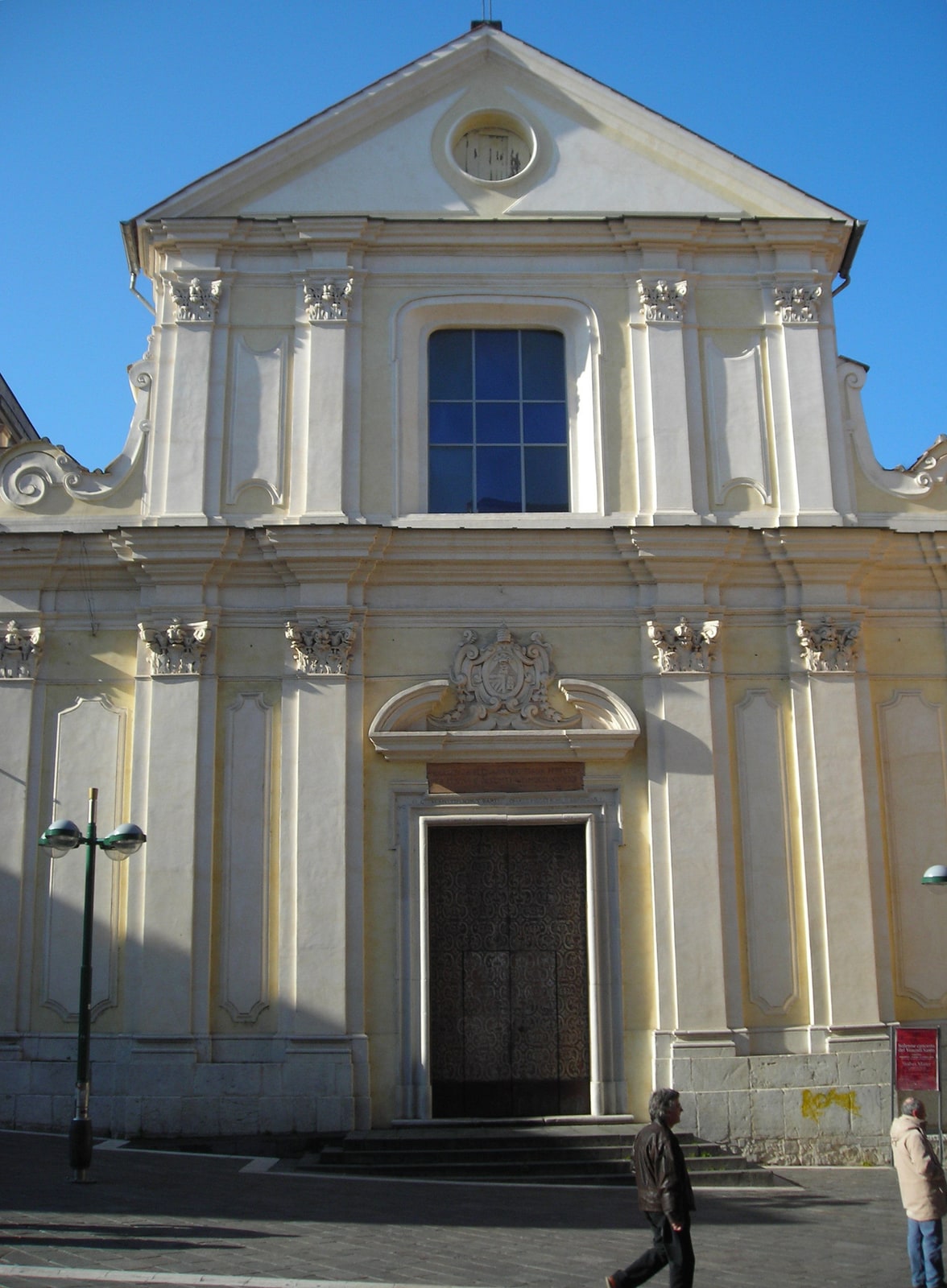
Benevento’s Basilica of St. Bartholomew preserves one of Italy’s less widely known apostolic tomb traditions. The archdiocese records that the Apostle’s remains arrived in the city in 838. After earlier churches were damaged by earthquakes, the present Baroque basilica was built and the relics were solemnly transferred beneath its high altar in 1729.
The church is smaller and quieter than many monumental Italian shrines, which makes the apostolic claim especially striking. Bartholomew—identified in Christian tradition with Nathanael in John’s Gospel—is honored as patron of the city and archdiocese. The basilica’s oval interior draws attention forward to the altar and the porphyry urn below it rather than dispersing the pilgrimage through a vast complex.
The relic history has several stages and should be told as ecclesial tradition: Bartholomew’s martyrdom is associated with Armenia; traditions then place his remains in Lipari and Benevento, while other relics are venerated in Rome and elsewhere. Benevento is the principal Italian shrine that claims his body. Read John 1:45–51 before entering, pray for missionaries and persecuted Christians, and verify liturgical access with the archdiocese. The patronal feast on August 24 is the natural high point of local devotion.
Enter a compact apostolic shrine where Benevento has guarded the memory and traditional remains of its patron since the ninth century.
The sacred connection
People and objects remembered here
These relationships are part of the destination record, with feast days and catalog qualifications shown where available.
principal relics traditionally preserved beneath the high altar
Feast: August 24Tomb and bodily remains · Longstanding ecclesial tradition
Venerated within the active basilica.What to notice
Look closely at the place and its story
The porphyry urn
Pray before the high altar above the relics venerated as St. Bartholomew’s body.
A city’s apostolic patron
See how Benevento’s civic and ecclesial identity gathers around the Apostle.
A shrine rebuilt after earthquakes
Read the present 1729 basilica as continuity after repeated loss.
Feasts, anniversaries & celebrations
How to read this page
Sources, tradition, and what is verified
The destination record was last checked on 9/27/2026.
This page records the site’s tradition as “Roman Catholic basilica and traditional apostolic tomb.” That wording describes the nature of the claim and keeps devotional tradition distinct from independently verified history.