Why pilgrims come
Visit the resting place and legacy of St. Matthias the Apostle
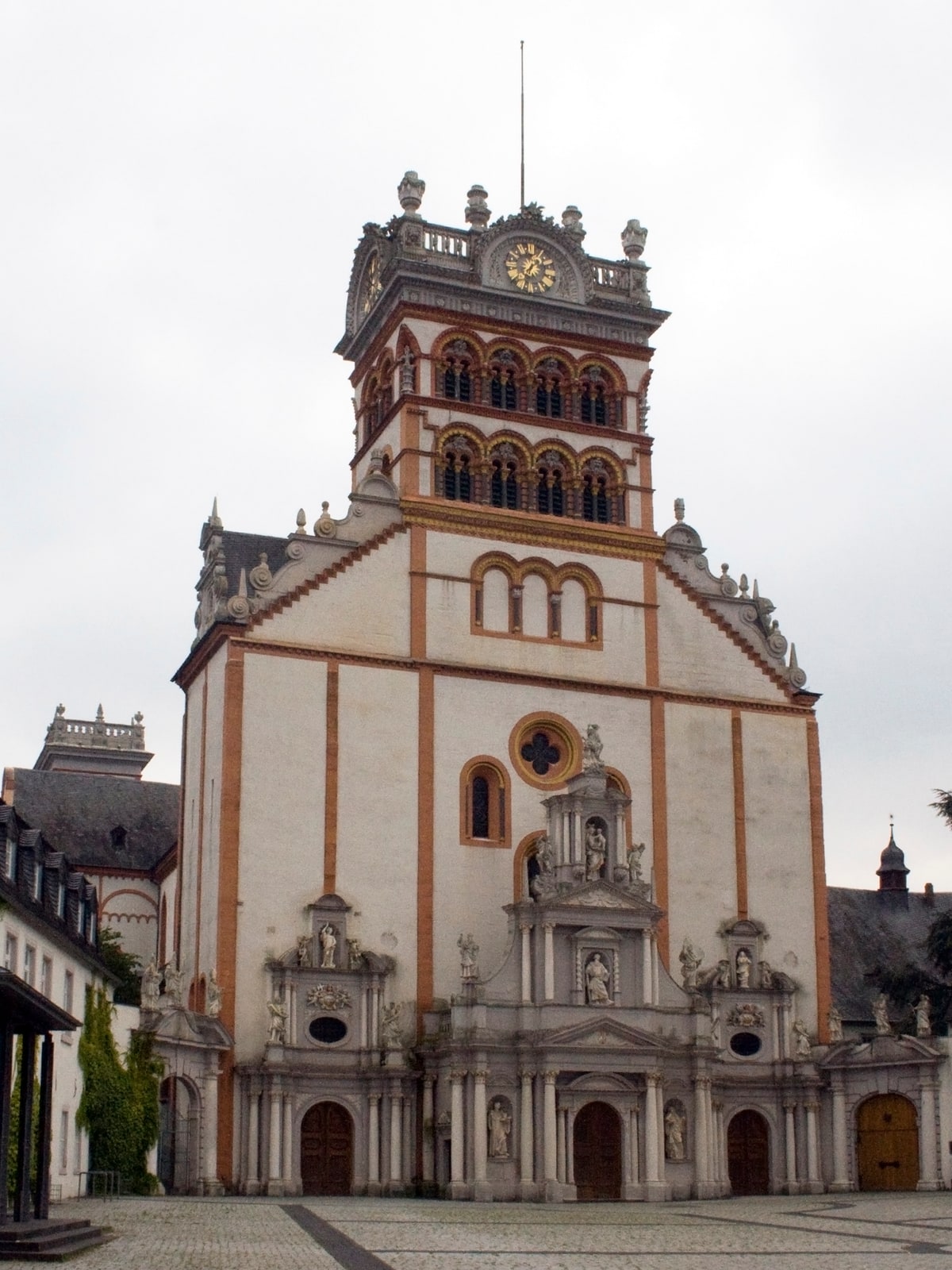
The Benedictine Abbey of St. Matthias in Trier is revered as the only apostolic tomb north of the Alps. Its crypt preserves the traditional tomb of Matthias, chosen in Acts 1 to join the Twelve after Judas’s death. The same church also holds the tombs of Eucharius and Valerius, remembered as the first bishops of Trier.
Local tradition says St. Helena brought Matthias’s relics to Trier. The historical documentation becomes clearer in the Middle Ages, when the apostolic cult and large pilgrimages reshaped the abbey church. The distinction matters: pilgrims can honor a long, living ecclesial tradition without claiming more documentary certainty than the sources allow.
St. Matthias remains a functioning Benedictine monastery and parish, not a closed monument. German brotherhoods still make organized pilgrimages to the apostle, continuing a practice that has lasted for centuries. Read Acts 1:15–26 in the crypt: Matthias’s holiness begins with quiet fidelity, discipleship from the beginning, and a mission accepted without later prominence. Verify worship, pilgrim reception, and visitor access with the abbey and Trier cathedral-parish information before traveling.
Read Acts 1 beside the only traditional apostolic tomb north of the Alps, within a living Benedictine community.
The sacred connection
People and objects remembered here
These relationships are part of the destination record, with feast days and catalog qualifications shown where available.
traditional tomb in the crypt
Feast: May 14tomb in the abbey church
Feast: December 8tomb in the abbey church
Feast: January 29Tomb and bodily remains · Longstanding ecclesial tradition
Access follows the abbey’s worship and visitor schedule.What to notice
Look closely at the place and its story
The Apostle chosen in Acts
Pray at Matthias’s traditional crypt tomb and meditate on hidden fidelity.
Trier’s first bishops
Honor Eucharius and Valerius beside the apostolic shrine.
A living Benedictine pilgrimage
Encounter an ancient cult sustained by monastery, parish, and walking brotherhoods.
Feasts, anniversaries & celebrations
How to read this page
Sources, tradition, and what is verified
The destination record was last checked on 9/27/2026.
This page records the site’s tradition as “Roman Catholic Benedictine abbey and traditional apostolic tomb.” That wording describes the nature of the claim and keeps devotional tradition distinct from independently verified history.