Why pilgrims come
Enter a place shaped by prayer, community, and pilgrimage
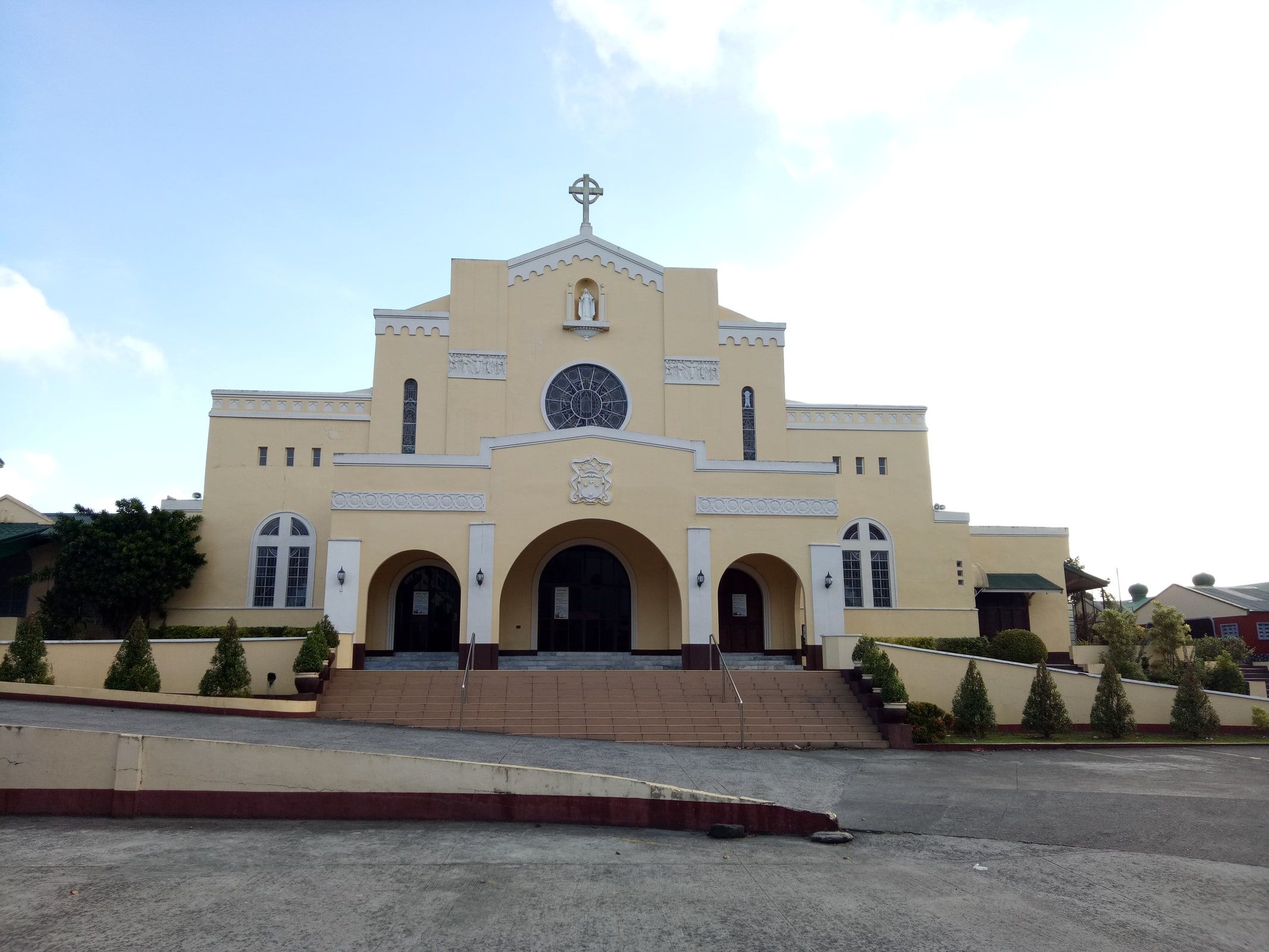
Founded in 1946, the Carmelite monastery in Lipa is an active house of contemplative prayer and a longstanding Marian pilgrimage destination. Pilgrims visit the chapel, the image of Mary under the title Mediatrix of All Grace, and the prayer area associated with reports made by Carmelite postulant Teresita Castillo in 1948. Catholic Tourist keeps two facts together: the monastery and its Marian devotional life are real and visitable, while the Holy See has judged that the reported 1948 phenomena were not of supernatural origin and in 2015 reaffirmed the 1951 decision as definitive.
Come first for the reality that is certain: a living community of Carmelite nuns praying within the Church and welcoming pilgrims to a quiet Marian sanctuary. Visit the chapel, pray the Rosary, and approach the monastery’s difficult history with ecclesial honesty—honoring Mary without presenting the reported 1948 events as supernatural or approved.
The sacred connection
People and objects remembered here
These relationships are part of the destination record, with feast days and catalog qualifications shown where available.
patroness named in the monastery’s full foundation title and spiritual mother of the Discalced Carmelite community
Feast: October 15What to notice
Look closely at the place and its story
A living Discalced Carmelite monastery
Recognize the contemplative community founded in 1946 and pray for the sisters whose hidden vocation is the enduring Catholic heart of this place.
The public chapel
Enter the church for Mass or personal prayer only at currently confirmed times, preserving the silence proper to a monastery.
Mary Mediatrix of All Grace
Venerate Mary under the title associated with Lipa while clearly distinguishing Marian devotion from approval of the reported 1948 phenomena.
A lesson in ecclesial discernment
Read the Holy See’s definitive judgment alongside the monastery’s history and let fidelity to the Church shape the pilgrimage.
Feasts, anniversaries & celebrations
How to read this page
Sources, tradition, and what is verified
The destination record was last checked on 9/16/2026.
This page records the site’s tradition as “Catholic; Discalced Carmelite.” That wording describes the nature of the claim and keeps devotional tradition distinct from independently verified history.