Why pilgrims come
Visit the resting place and legacy of St. John of the Cross
Below Segovia’s walls, the Discalced Carmelite convent preserves the tomb of St. John of the Cross, priest, poet, reformer, and Doctor of the Church. John founded the house in 1586 and worked on it with his own hands. He later died at Úbeda in 1591; the Carmelite Order records that his body was transferred to Segovia in 1593.
The shrine joins his physical resting place to a landscape of prayer. Tradition remembers a cypress planted by John beside the hermitage he used for solitude. His writings—especially the Spiritual Canticle, Dark Night, and Living Flame of Love—describe purification and union with God in language shaped by Scripture, pastoral experience, and suffering. The “dark night” is not a slogan for ordinary discouragement but part of a demanding theology of faith and love beyond possessiveness.
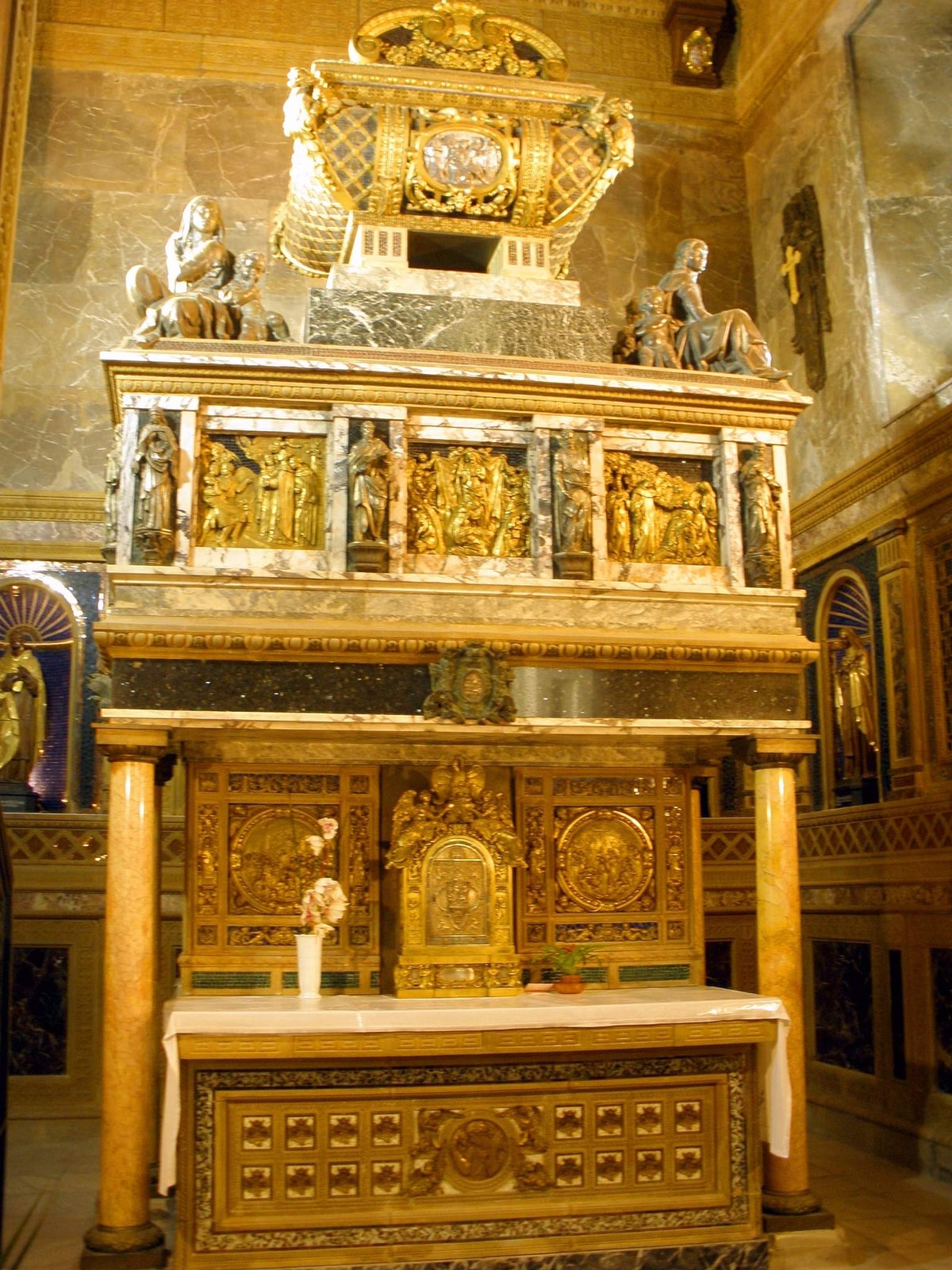
The present marble-and-bronze sepulcher is a later artistic setting for the saint’s remains. Pope St. John Paul II prayed here in 1982. Pilgrims should pair the tomb with John’s writings and with the active Carmelite community, not reduce the visit to a photograph of a reliquary. Read a short stanza in the chapel, leave time for silence, and confirm church access before descending from the old city.
Descend from Segovia’s walls to the house John helped build, then pray beside the Carmelite poet’s tomb and hermitage landscape.
The sacred connection
People and objects remembered here
These relationships are part of the destination record, with feast days and catalog qualifications shown where available.
body enshrined in the chapel sepulcher
Feast: December 14Tomb and bodily remains · Ecclesiastically documented translation from Úbeda to Segovia in 1593
Veneration follows the active Carmelite church’s schedule.What to notice
Look closely at the place and its story
The marble-and-bronze tomb
Pray before the bodily remains of the Carmelite mystic and Doctor of the Church.
A convent he built
Remember John as founder and manual laborer, not only as a writer.
The hermitage and cypress
Receive the landscape as part of the saint’s disciplined life of prayer.
Feasts, anniversaries & celebrations
How to read this page
Sources, tradition, and what is verified
The destination record was last checked on 9/27/2026.
This page records the site’s tradition as “Roman Catholic; Discalced Carmelite convent and tomb of a Doctor of the Church.” That wording describes the nature of the claim and keeps devotional tradition distinct from independently verified history.