Why pilgrims come
Remember the witness that made this place sacred
Acts 6–7 presents Stephen as one of seven men chosen for service in the first Jerusalem community and as the first disciple whose death for Christ is narrated in the New Testament. His long speech before the council ends with a vision of the Son of Man standing at God’s right hand. The crowd drives him outside the city and stones him while he entrusts his spirit to Jesus and prays that the sin not be held against his killers. Christian tradition therefore calls him the Protomartyr—the first martyr—and celebrates him on December 26, immediately after Christmas.
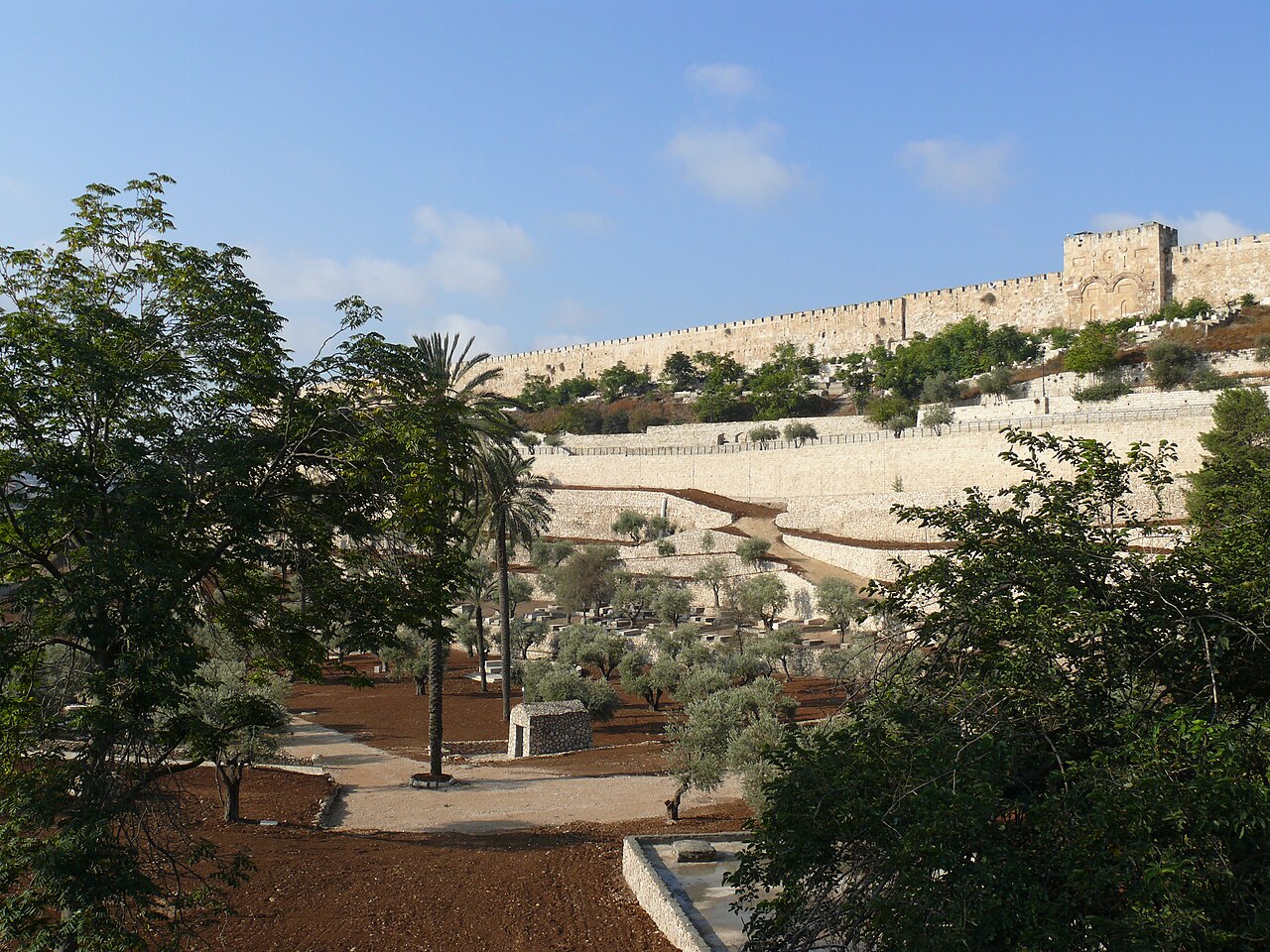
This Greek Orthodox church and grotto beyond the Lions’ Gate preserve one Jerusalem tradition for Stephen’s stoning. The Custody of the Holy Land reports that medieval pilgrims associated rock-cut steps here with the old approach to the walls and Temple and began identifying the spot as the place of martyrdom. After the 1967 war, the Greek Orthodox community built the present church. Beneath it, a small grotto preserves the cut steps and wall paintings depicting the appointment of the seven deacons, Stephen’s defense and stoning, and the reported discovery of his relics in 415.
The identification must be described carefully. Acts says that Stephen was taken outside the city, but it does not name a gate or provide coordinates. A different and older Byzantine tradition is represented north of Damascus Gate at the Dominican Church of Saint-Étienne and the École Biblique. Catholic Tourist therefore records the Lions’ Gate grotto as a living Greek Orthodox martyrdom tradition, not as an archaeologically proven execution point. The two Jerusalem traditions should be studied together rather than forced into a false certainty.
The site also carries an unusually beautiful ecumenical practice. On December 26, Franciscan friars of the Custody make a pilgrimage beyond the Lions’ Gate, greet the Greek Orthodox community, celebrate Vespers in the grotto, and place candles on the stone steps. That annual visit allows Catholic pilgrims to honor Stephen at an Orthodox-custodied shrine while respecting the community that guards it.
Do not confuse this church with a tomb or relic shrine. Stephen’s relics are not claimed to be displayed here, and the page makes no claim that the modern building dates to the apostolic period. Its importance is the prayerful memory of Acts 7, the landscape outside ancient Jerusalem, and the continuity of Christian pilgrimage around the first martyr’s witness.
Current opening arrangements are not published as dependable tourist hours. The church is active Greek Orthodox property, access may be limited, and the wider Holy Land security situation can change quickly. Approach only when the gate or community clearly welcomes visitors, dress modestly, avoid photographing worshippers without permission, and never enter the grotto as though it were an unattended archaeological attraction. If access is uncertain, the view from the Lions’ Gate and a reading of Acts 6–7 can still form a meaningful station in a Jerusalem pilgrimage.
Pray with Acts 6–7 at the Greek Orthodox church and grotto that preserve one Jerusalem tradition of St. Stephen’s stoning, while keeping the location claim appropriately qualified.
The sacred connection
People and objects remembered here
These relationships are part of the destination record, with feast days and catalog qualifications shown where available.
Greek Orthodox church and grotto preserving one Jerusalem tradition of his stoning
Feast: December 26What to notice
Look closely at the place and its story
The witness of Acts 7
Read Stephen’s vision, forgiveness, and death where Jerusalem Christians have long prayed outside the city walls.
The grotto and rock-cut steps
See the physical feature that helped medieval pilgrims associate this place with the martyrdom tradition.
An ecumenical December pilgrimage
Understand why Franciscans return to this Greek Orthodox shrine for Vespers on St. Stephen’s feast.
Two Jerusalem traditions
Keep the Lions’ Gate grotto and the Dominican Saint-Étienne north of Damascus Gate distinct rather than claiming certainty Scripture does not provide.
Feasts, anniversaries & celebrations
How to read this page
Sources, tradition, and what is verified
The destination record was last checked on 10/4/2026.
This page records the site’s tradition as “Greek Orthodox custody; Catholic ecumenical pilgrimage tradition.” That wording describes the nature of the claim and keeps devotional tradition distinct from independently verified history.
Continue nearby