Why pilgrims come
Visit the resting place and legacy of St. Teresa of Ávila
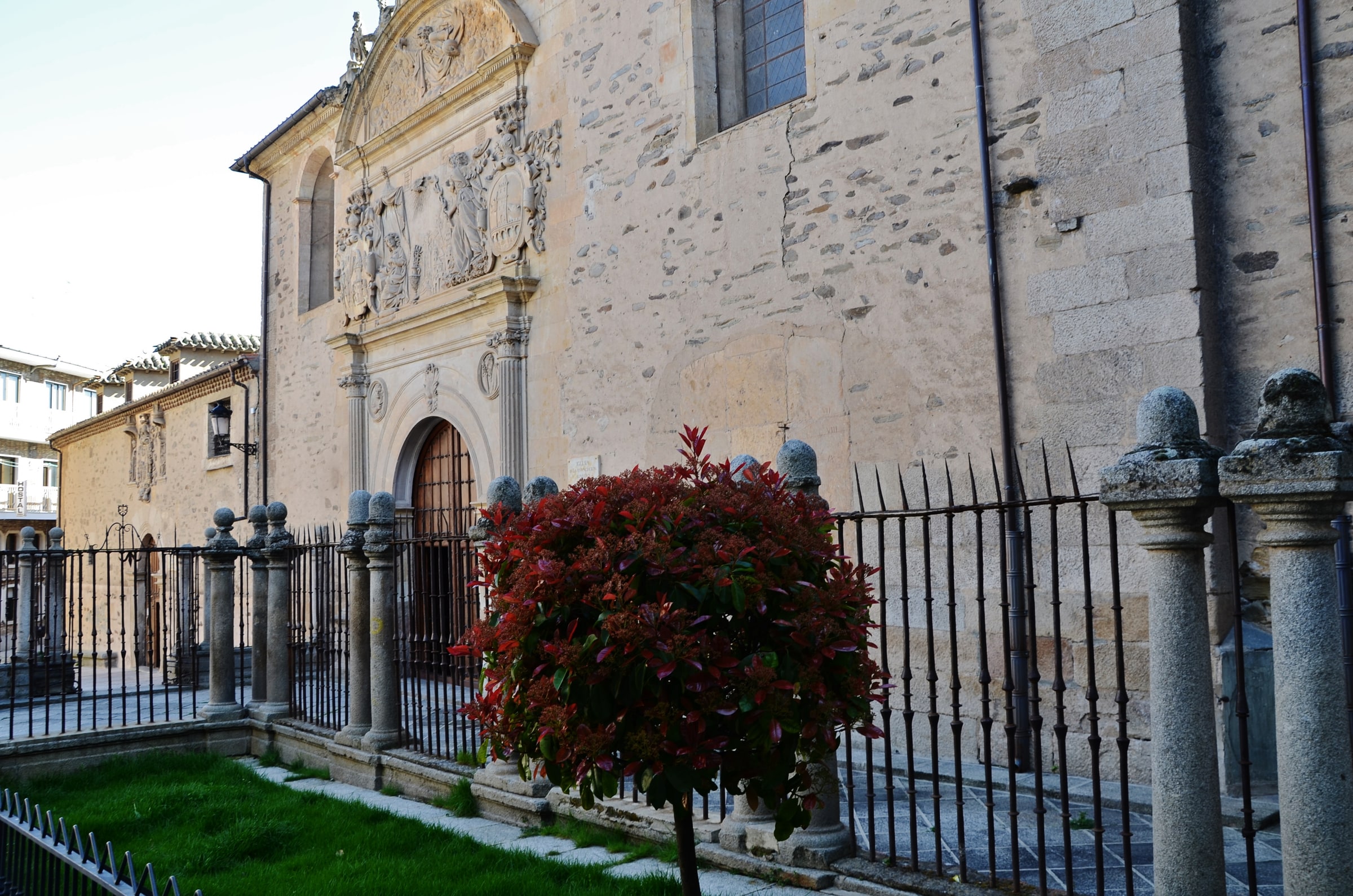
Alba de Tormes is the final earthly home of St. Teresa of Ávila. She founded the Monastery of the Annunciation in 1571, returned seriously ill in September 1582, and died here on October 4—the eve of October 15 under the calendar reform then taking effect. Her body, heart, and left arm are preserved in the great reliquary structure above the sanctuary and in its lower chambers.
The tomb is not simply a memorial to a famous writer. Teresa reformed Carmelite life around friendship with Christ, prayer, poverty, community, and apostolic concern. Her Interior Castle and Way of Perfection grew from a life tested by illness, misunderstanding, travel, and the practical burdens of founding communities. Pope St. Paul VI declared her the first woman Doctor of the Church in 1970.
The Discalced Carmelite sisters remain a cloistered community. The adjacent CARMUS museum provides carefully managed access to the upper chamber behind the church’s retablo, the saint’s death room, and collections connected with her life. Church access and museum access are not identical, and special veneration periods may alter arrangements. Begin with Mass or silent prayer in the basilica, approach the tomb without treating Teresa’s remains as spectacle, and then use the museum to understand why her teaching still forms contemplatives and lay Catholics around the world.
Pray where Teresa died and where her Carmelite daughters still guard her body, heart, writings, and living tradition of prayer.
The sacred connection
People and objects remembered here
These relationships are part of the destination record, with feast days and catalog qualifications shown where available.
body, heart, and left arm preserved at the monastery
Feast: October 15Tomb and bodily remains · Ecclesiastically documented and continuously guarded by the Carmelite community
Upper-chamber access is through the CARMUS museum; church and museum schedules differ.What to notice
Look closely at the place and its story
The saint’s tomb
Venerate Teresa’s body in the great reliquary above the sanctuary.
Heart and arm relics
Understand how the monastery preserves the saint’s principal relics without separating them from prayer.
Her final room
Visit the space associated with Teresa’s death through the Carmelite museum route.
Feasts, anniversaries & celebrations
How to read this page
Sources, tradition, and what is verified
The destination record was last checked on 9/27/2026.
This page records the site’s tradition as “Roman Catholic; Discalced Carmelite monastery and tomb of a Doctor of the Church.” That wording describes the nature of the claim and keeps devotional tradition distinct from independently verified history.