Why pilgrims come
Visit the resting place and legacy of Blessed Francis Xavier Seelos
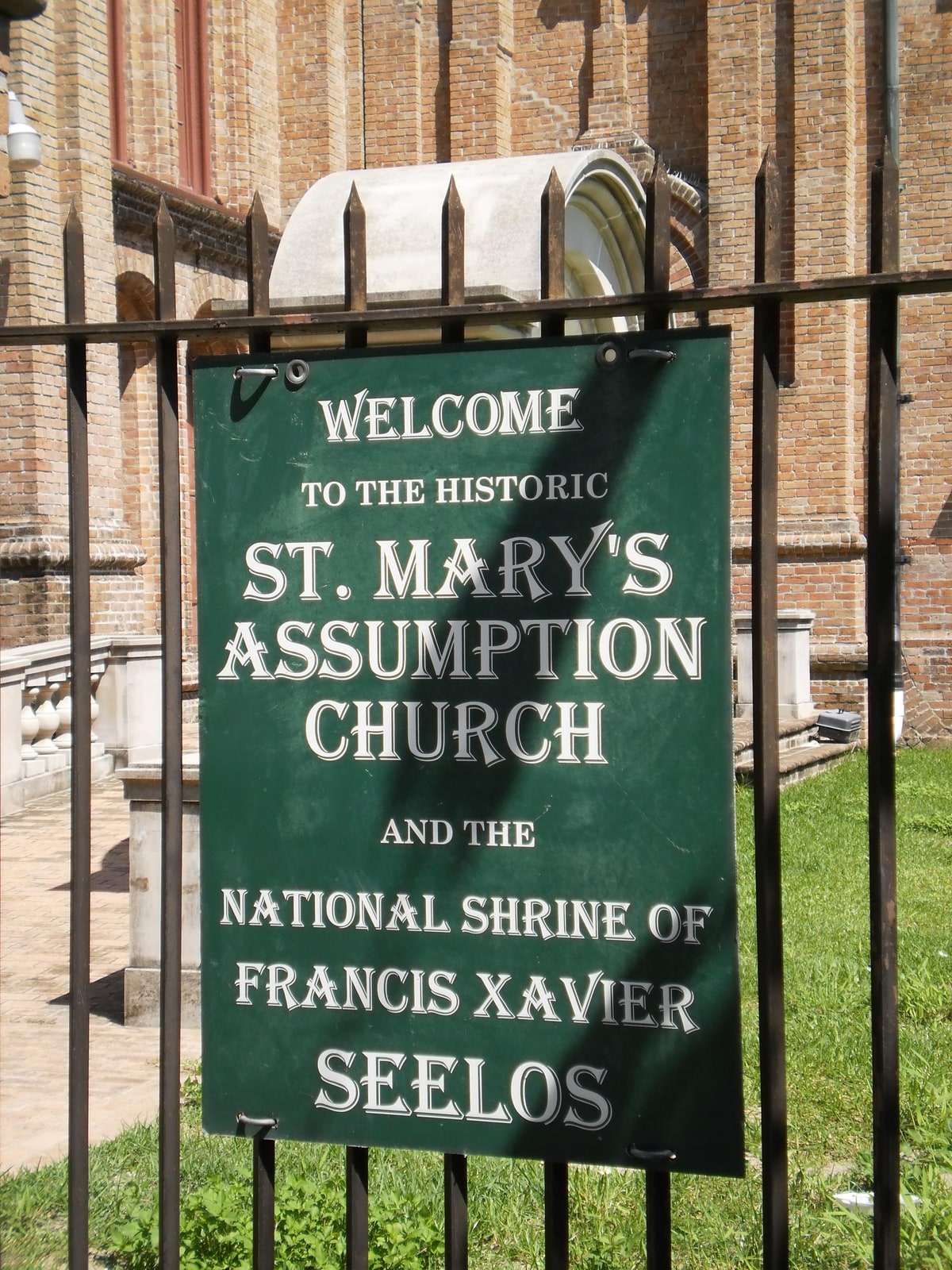
The National Shrine of Blessed Francis Xavier Seelos is housed at St. Mary’s Assumption Church, the historic Redemptorist church where the German-born missionary priest served in New Orleans. The shrine preserves his remains, his original lead coffin, personal artifacts, and first-class relics, gathering devotion to a priest remembered for accessible preaching, patient confession, and compassionate ministry to the sick.
Francis Xavier Seelos came to the United States as a seminarian so that he could serve German-speaking immigrants. As a Redemptorist, he ministered in several American cities and worked alongside Saint John Neumann. In New Orleans he cared for victims during a yellow-fever epidemic, contracted the disease, and died in 1867. He was beatified in 2000 and is Blessed, not yet a canonized saint.
The setting matters. St. Mary’s Assumption is not merely a container for a modern exhibit; it is a richly decorated nineteenth-century church built for immigrant Catholics. Pilgrims encounter a continuity of parish, immigrant, epidemic, and healing history. The shrine’s documented relics and artifacts allow devotion to remain attached to a real priestly life rather than a vague miracle story.
Pray at the remains, spend time in the church, and learn his connection to St. John Neumann and to yellow-fever New Orleans. The official shrine publishes current hours and liturgical information; verify before travel, especially around holidays or major devotions.
Meet Blessed Seelos as immigrant missionary, confessor, and epidemic chaplain: pray at his remains, then read the artifacts and church around them as one pastoral life.
The sacred connection
People and objects remembered here
These relationships are part of the destination record, with feast days and catalog qualifications shown where available.
remains, relics, artifacts, and principal national shrine
Feast: October 5Tomb and bodily remains · Ecclesiastically documented
Consult the shrine for current devotional access and tour arrangements.What to notice
Look closely at the place and its story
The remains and original coffin
Encounter the documented bodily relics and burial history preserved by the Redemptorists.
A missionary to immigrants
Trace a German seminarian’s decision to cross the Atlantic for pastoral service.
Yellow-fever charity
Remember his final ministry to the sick during the 1867 epidemic.
St. Mary’s Assumption Church
Receive the historic immigrant church as part of the shrine rather than as background scenery.
Feasts, anniversaries & celebrations
How to read this page
Sources, tradition, and what is verified
The destination record was last checked on 9/27/2026.
This page records the site’s tradition as “Roman Catholic Redemptorist shrine and tomb.” That wording describes the nature of the claim and keeps devotional tradition distinct from independently verified history.