Why pilgrims come
Discover what makes National Shrine of St. Rita of Cascia a place of pilgrimage
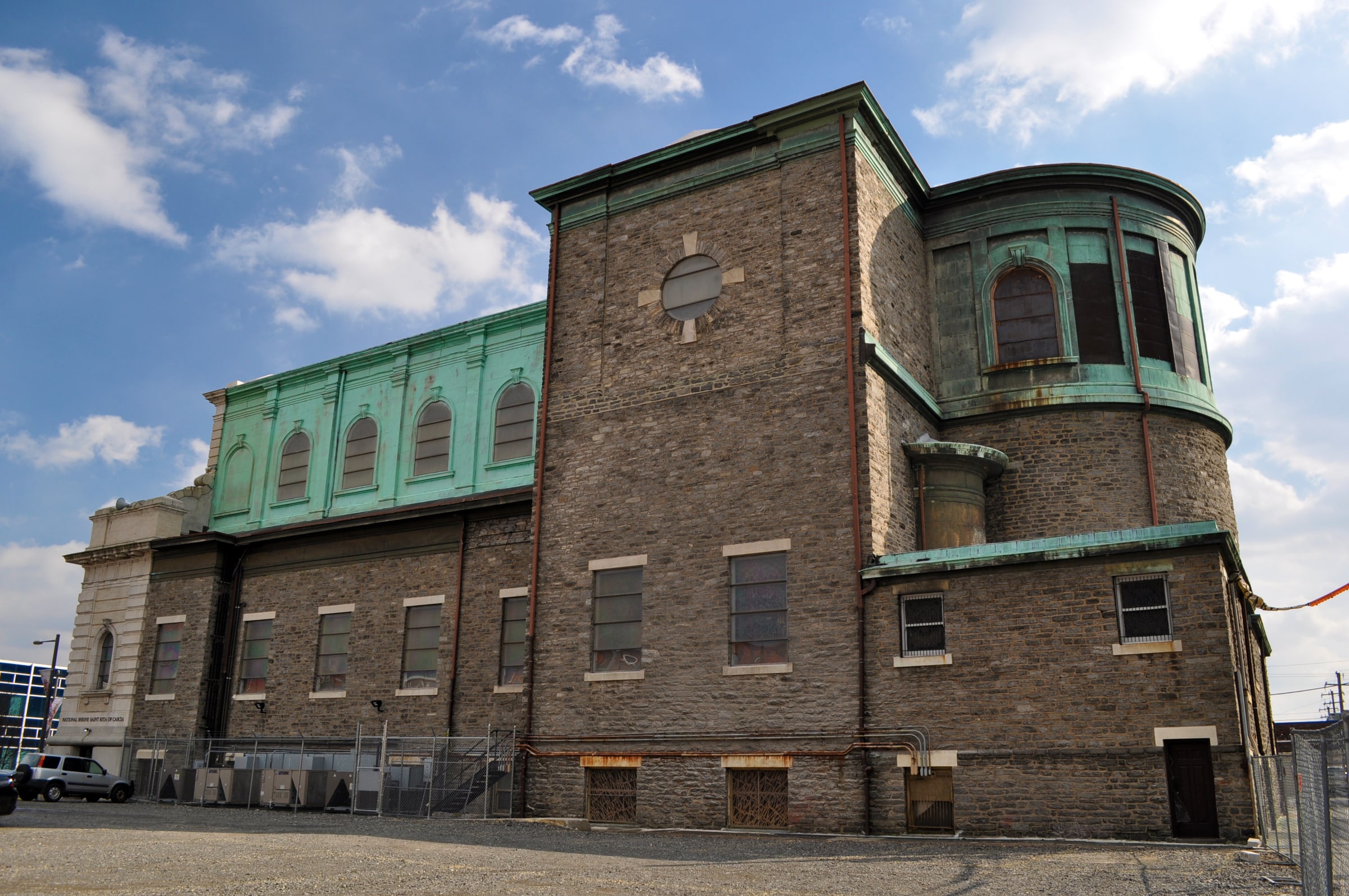
Founded in 1907, only seven years after St. Rita’s canonization, Philadelphia’s Augustinian shrine grew from worship in a converted stable into a Roman Baroque-inspired church dedicated in 1915. The lower shrine’s contemporary sacred art and the continuing ministry of Saint Rita Place make it a national center of prayer for reconciliation, healing, and seemingly impossible needs.
The Philadelphia shrine presents St. Rita through two complementary spaces: the historic upper church with its imported marble altar and Italian mosaic floor, and the lower shrine, where Anthony Visco’s sculptures and murals interpret her life through themes of suffering, forgiveness, reconciliation, and hope.
What to notice
Look closely at the place and its story
The lower shrine’s sacred art
Follow the sculptures and murals as a contemplative account of Rita’s life, wounds, forgiveness, and intercession.
The 1915 upper church
Notice the Roman Baroque influence, mosaic floor, and imported marble altar in George Lovatt’s design.
Augustinian spirituality
Receive the site as a living ministry of community, reconciliation, and peace rather than a memorial alone.
A bond with Cascia
The shrine’s formal twinning with the Basilica of Saint Rita in Cascia connects Philadelphia pilgrims to her Italian home.
Feasts, anniversaries & celebrations
How to read this page
Sources, tradition, and what is verified
The destination record was last checked on 9/15/2026.
This page records the site’s tradition as “Catholic.” That wording describes the nature of the claim and keeps devotional tradition distinct from independently verified history.
Continue nearby