Why pilgrims come
Discover the sacred objects and Catholic memory preserved here
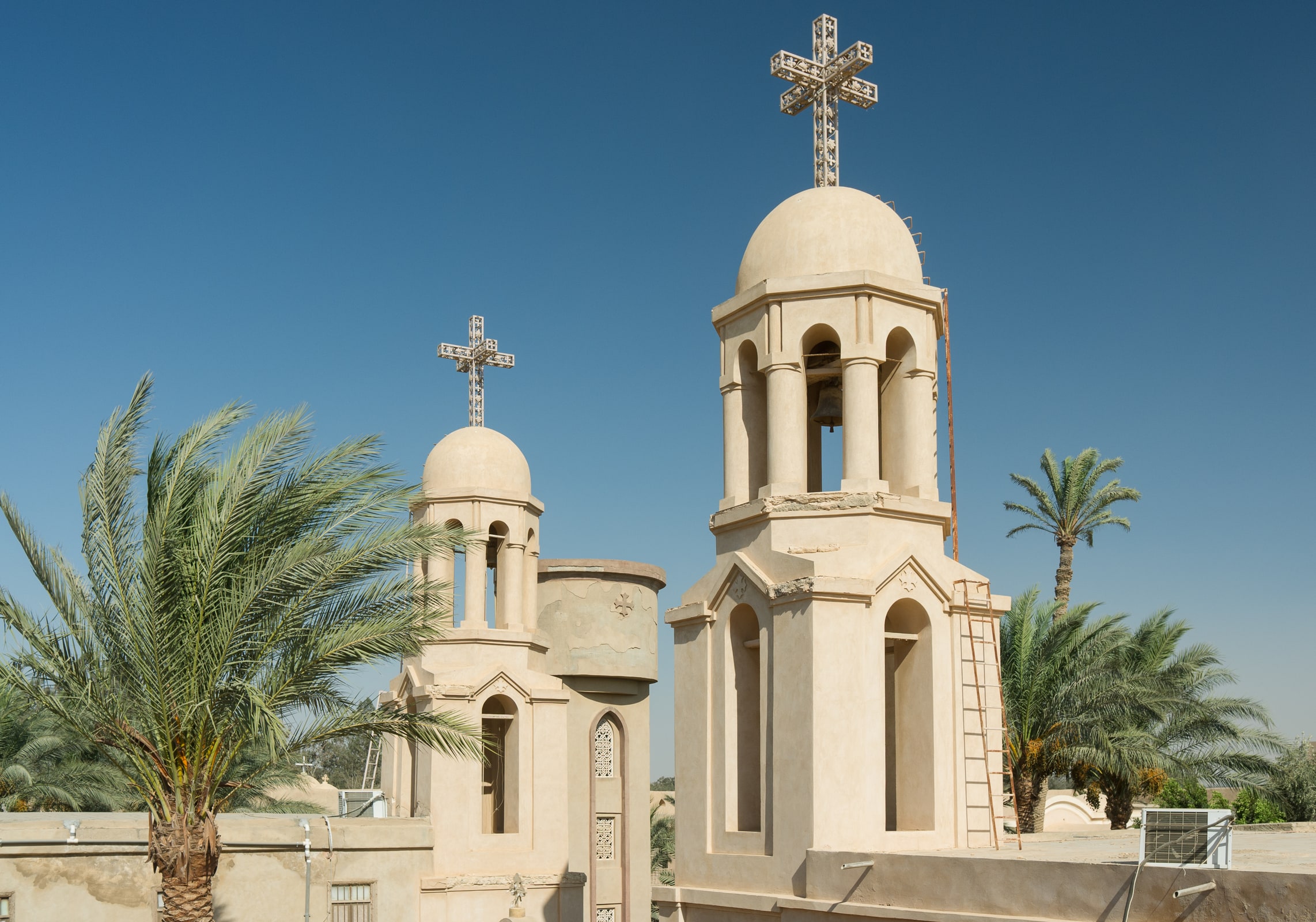
Paromeos Monastery—also called Al-Baramus or the Monastery of the Romans—is the principal surviving pilgrimage destination connected with St. Moses the Ethiopian, better known as St. Moses the Black and, in Coptic usage, Abba Moses the Strong. It stands in Wadi al-Natrun, the ancient desert of Scetis where Moses exchanged a life remembered for violence and robbery for monastic repentance, humility, prayer, and spiritual fatherhood.
The details of Moses’s early life come through hagiography and the sayings of the Desert Fathers rather than a modern biography. Those sources remember a physically powerful man, probably of African origin, who had been enslaved and later became the leader of a band of robbers. Seeking God, he entered the monastic world of Scetis and came under the guidance associated with Abba Isidore and St. Macarius the Great. His past was not erased from the story; it became the measure of a conversion so complete that later Christians remembered him above all for mercy, nonjudgment, hospitality, and humility.
One of the best-known sayings attached to Moses concerns a council called to judge a brother. Moses arrived carrying a leaking basket of sand and explained that his own sins were running out behind him while he had come to judge another person. Whether encountered as exact transcript or teaching story, it expresses the spiritual wisdom for which he became famous: repentance begins by refusing superiority over another sinner.
Moses was eventually ordained a priest and became a spiritual father to other monks. When raiders approached Scetis, tradition says he refused armed resistance and remained with several brothers, accepting death in fidelity to Christ’s command concerning the sword. Coptic sources commonly date his martyrdom to 407. Other traditions use nearby dates and differ over the number killed with him, so Catholic Tourist does not force false precision where the sources vary.
The monastery’s Church of the Holy Virgin preserves the bodily relics venerated as those of St. Moses together with the relics of Abba Isidore, his spiritual father. In June 2022 Pope Tawadros II and Coptic bishops solemnly prepared and honored the shared reliquary. Egypt’s official tourism authority also identifies Paromeos as the Wadi al-Natrun monastery preserving the relics of Moses. This makes the monastery more than a general Desert Fathers location: it is the saint’s principal surviving relic shrine.
Paromeos remains an active Coptic Orthodox monastery. Catholic visitors come as guests of a living sister Church tradition and should not describe the monastery as Catholic or treat the reliquary as a museum exhibit. Confirm access directly, observe dress and photography rules, and let the visit become a meditation on conversion: no history of sin is stronger than grace, and no genuine repentance permits contempt for another person.
Enter ancient Scetis through the radical conversion of St. Moses. Pray before the relics venerated as his, then receive the wider monastery as a living Coptic Orthodox community rather than a historic attraction.
The sacred connection
People and objects remembered here
These relationships are part of the destination record, with feast days and catalog qualifications shown where available.
monk, priest, spiritual father, and martyr of ancient Scetis
Feast: August 28Bodily relics · Received Coptic Orthodox relic tradition under active ecclesial custody
Veneration and visibility follow the monastery’s worship, enclosure, and visitor rules. Confirm directly before travel.What to notice
Look closely at the place and its story
Relics of St. Moses and Abba Isidore
Pray where the saint and the spiritual father associated with his formation are venerated together.
A conversion stronger than violence
Read Moses’s life as a sustained school of repentance, humility, and refusal to judge.
The Church of the Holy Virgin
Enter one of Wadi al-Natrun’s oldest living church settings with medieval artistic layers and active worship.
The living desert of Scetis
Place one saint’s story inside the wider monastic landscape that shaped Christian spirituality across traditions.
Feasts, anniversaries & celebrations
How to read this page
Sources, tradition, and what is verified
The destination record was last checked on 9/23/2026.
This page records the site’s tradition as “Coptic Orthodox; shared early-Christian monastic heritage.” That wording describes the nature of the claim and keeps devotional tradition distinct from independently verified history.
Continue nearby