Why pilgrims come
Understand the Marian devotion rooted in La Salette-Fallavaux
At roughly 1,800 metres in the French Alps, this basilica and pilgrimage complex marks the place where Mélanie Calvat and Maximin Giraud reported seeing the Virgin Mary weeping on September 19, 1846. The Church-approved devotion emphasizes conversion, reconciliation, Sunday worship, prayer, and care for the poor; the sanctuary remains open year-round with liturgy, confession, lodging, and guided pilgrimage.
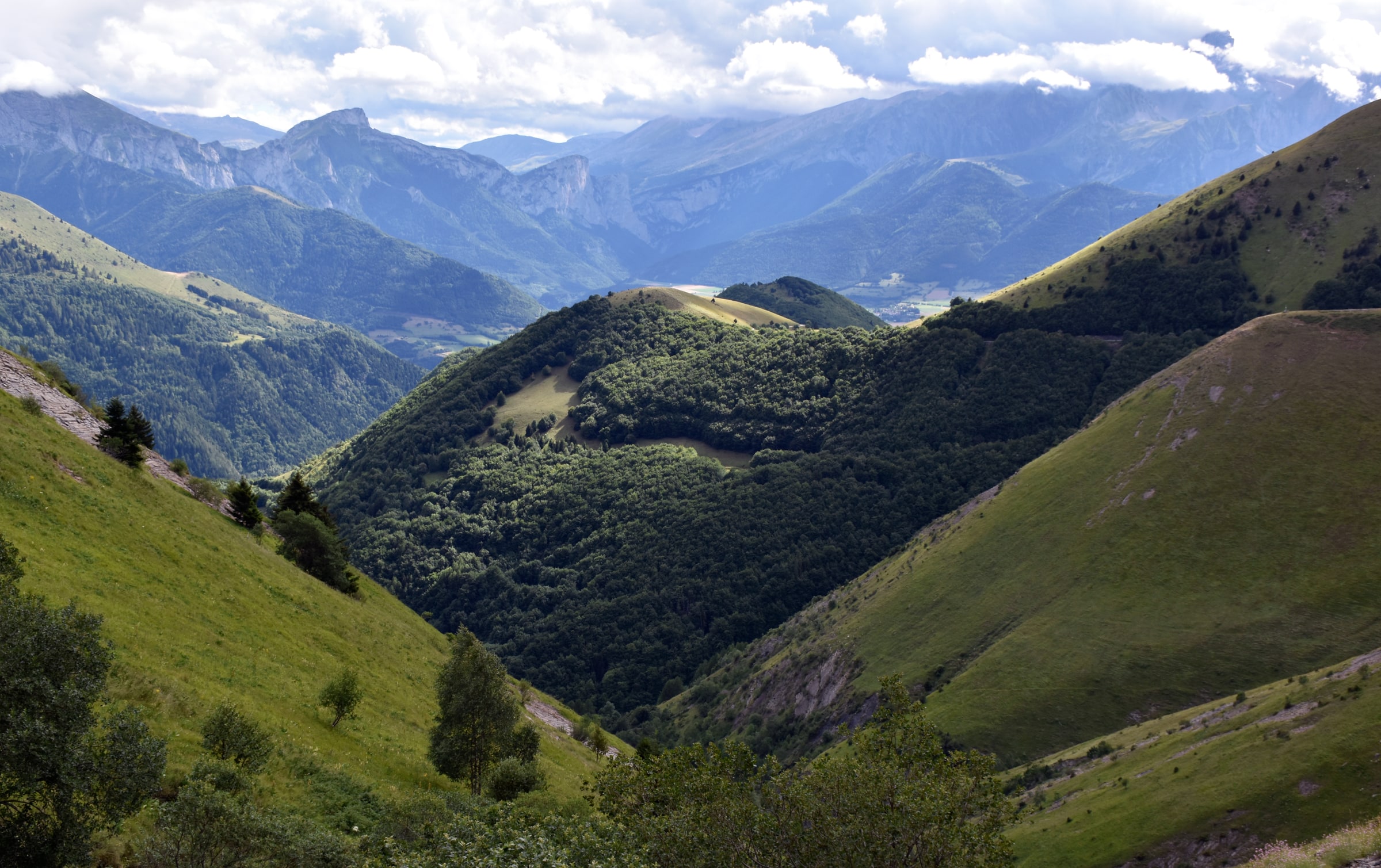
La Salette is a mountain pilgrimage, and the landscape is part of the encounter. Pilgrims come to hear Mary’s call to conversion, walk to the apparition places, celebrate the sacraments and often stay overnight at the sanctuary guest house.
What to notice
Look closely at the place and its story
Apparition site
Walk down to the place where Mary appeared weeping to Mélanie Calvat and Maximin Giraud on September 19, 1846.
The message of reconciliation
Read the Church-approved message in the sanctuary context of prayer, penance and return to Sunday worship.
Mountain basilica
Celebrate Mass in the basilica built above the alpine valley of the apparition.
Stay at the sanctuary
The guest house welcomes individuals and groups for a day or a longer spiritual stay.
September 19 solemn feast
The sanctuary celebrates the apparition anniversary through Mass, prayer, Marian procession, Eucharistic adoration, the Rosary, Vespers, and a torchlight procession.
Feasts, anniversaries & celebrations
Apparition timeline
1 recorded apparition dates
The apparition of Our Lady of La Salette
The sanctuary hotel welcomes individuals, families, groups, and pilgrims in 215 rooms; dormitories and gîtes have separate seasonal availability.
Accommodation details ↗How to read this page
Sources, tradition, and what is verified
The destination record was last checked on 9/19/2026.
This page records the site’s tradition as “Catholic.” That wording describes the nature of the claim and keeps devotional tradition distinct from independently verified history.