Why pilgrims come
Discover what makes Sanctuary of the Holy Christ of the Agony of Limpias a place of pilgrimage
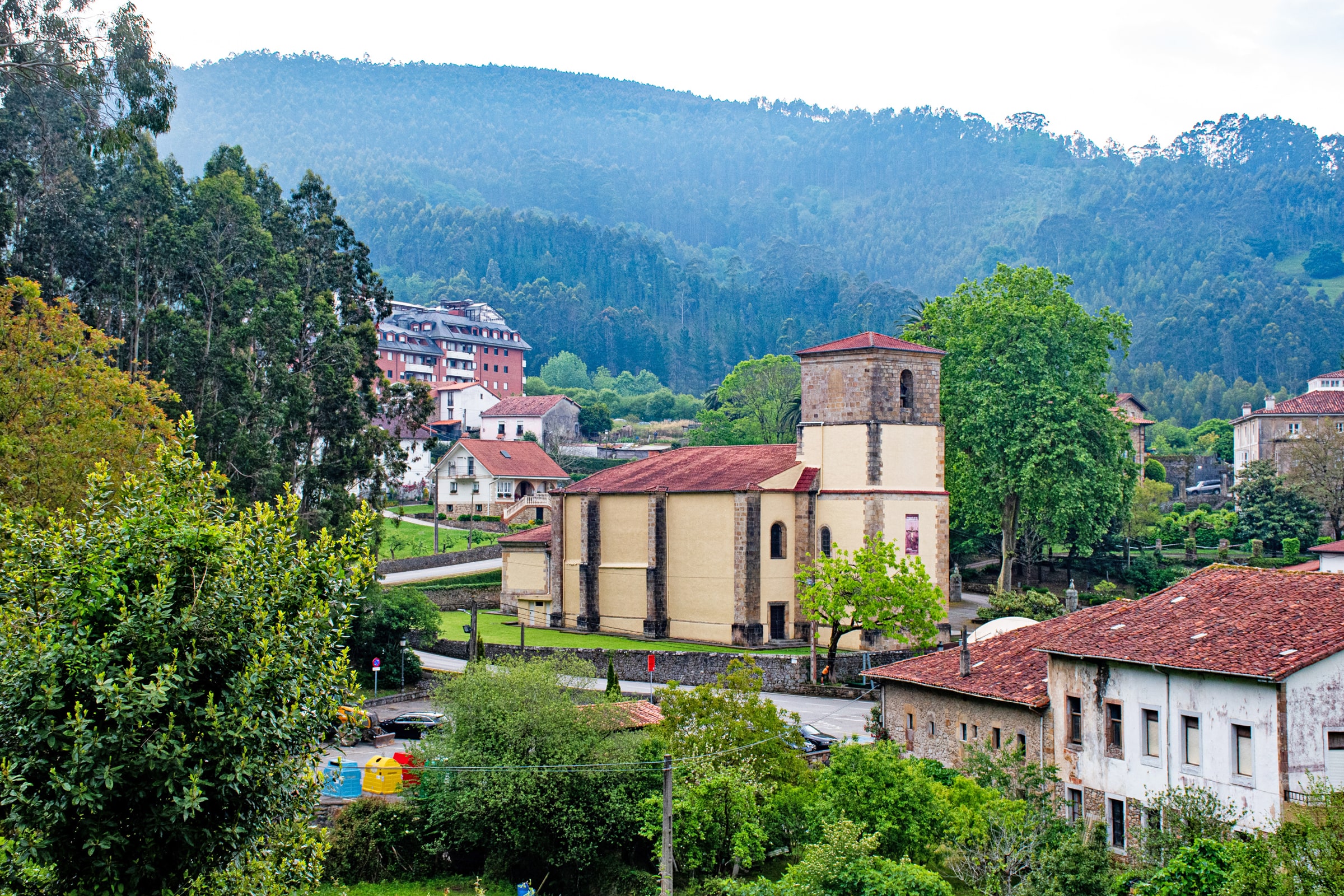
The active parish church of St. Peter the Apostle preserves the revered Cristo de Limpias crucifix. Beginning on March 30, 1919, many witnesses reported movements of the eyes and mouth and appearances of perspiration, bleeding, pallor, or animation; those accounts belong to the sanctuary’s documented devotional history and are not presented here as a scientifically verified event or a formally authenticated supernatural miracle.
Visit the living parish sanctuary for its striking crucifix, the extraordinary pilgrimage history that developed around the witness reports of 1919–1935, and prayer before Christ in his Passion. Read the historical testimony with care: the sanctuary preserves the claims and devotion, while Catholic Tourist does not convert them into a stronger Church judgment than the reviewed sources support.
The sacred connection
People and objects remembered here
These relationships are part of the destination record, with feast days and catalog qualifications shown where available.
What to notice
Look closely at the place and its story
The Cristo de Limpias
Pray before the highly realistic crucifix known as the Holy Christ of the Agony, historically brought from Cádiz and enshrined above the high altar.
The witness reports beginning in 1919
Learn why the reports of apparent movement and physical change drew pilgrims from across Spain while retaining the distinction between testimony, devotion, and formal authentication.
A living parish sanctuary
Join Mass or the daily Rosary when the current schedule permits, allowing parish worship to remain the center of the visit.
Feasts, anniversaries & celebrations
How to read this page
Sources, tradition, and what is verified
The destination record was last checked on 9/7/2026.
This page records the site’s tradition as “Catholic.” That wording describes the nature of the claim and keeps devotional tradition distinct from independently verified history.