Why pilgrims come
Encounter the Eucharistic tradition and its surviving evidence
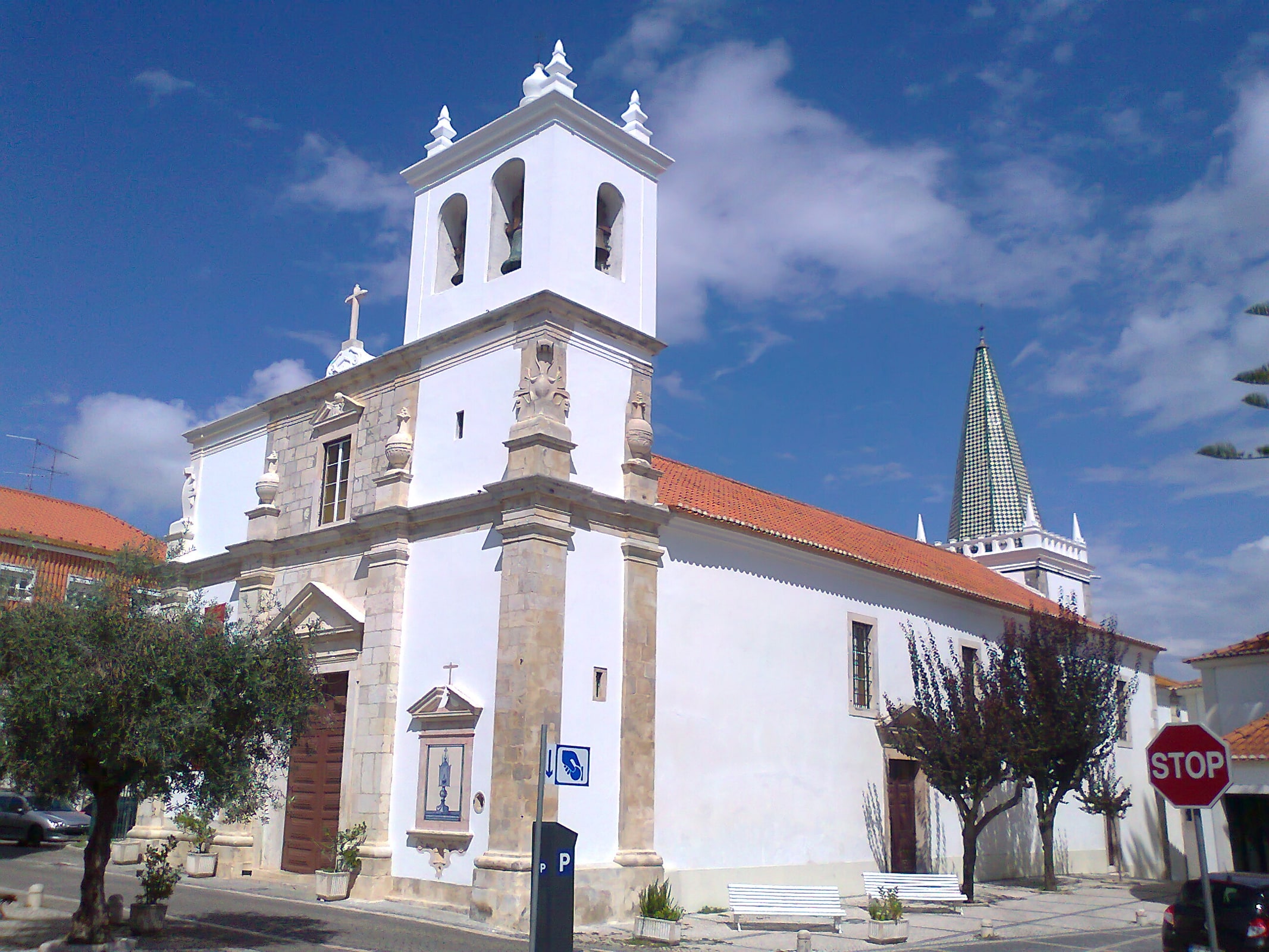
In the historic center of Santarém, the former parish church of Santo Estêvão is now the Diocesan Sanctuary of the Most Holy Miracle. It preserves the Eucharistic relic at the center of one of Portugal’s best-known medieval Catholic traditions. This is not merely a pin connected to an old story: the Diocese of Santarém formally made the church a diocesan sanctuary in 1997, and statutes approved in 2024 define its continuing mission of prayer, pilgrimage, proclamation of the Word, Reconciliation, and celebration of the Eucharist.
According to the received tradition, a woman took a consecrated Host from Mass after seeking occult help for a troubled marriage. The Host reportedly began to bleed while she carried it away. She hid it at home, where an extraordinary light revealed what had happened; moved to repentance, she confessed to the parish priest, and the Host was returned in procession. The relic associated with that account is preserved at the sanctuary in a silver monstrance.
The historical record requires candor about the date. The St. Carlo Acutis exhibition and some sanctuary traditions use 1247, while the Portuguese government’s heritage registry, Visit Portugal, and a Diocese of Santarém feast reflection use 1266. Catholic Tourist therefore identifies the event as a thirteenth-century tradition and displays both dates instead of manufacturing precision that the cited sources do not share. The reported bleeding and light belong to the sanctuary’s received religious tradition; the secure present-day facts are the relic’s ecclesial custody, the diocesan sanctuary, and the continuing public Eucharistic cult.
The building has a history of its own. Portugal’s cultural-heritage registry identifies the church as Igreja de Santo Estêvão, records its consecration in 1241, and classifies it as a National Monument. Two pointed transept arches survive from the medieval Gothic fabric. After the 1531 earthquake, a Renaissance rebuilding undertaken from 1536 to 1547 substantially shaped the present church, with later Mannerist and Baroque work adding tile, painting, carved wood, and devotional furnishings.
The tradition also reaches beyond the sanctuary walls. A chapel was built in 1653 at the house associated with the woman in the received account. That second place helps pilgrims read the story not as spectacle but as a movement from sacrilege and fear toward repentance, confession, restoration, and worship. The diocesan statutes emphasize precisely that sacramental horizon.
St. Carlo Acutis helped bring the story to a new generation through his international exhibition of Eucharistic miracles. A Diocese of Santarém reflection also names him among the sanctuary’s devotional visitors. His connection is best understood as modern witness and interpretation: the sanctuary, relic, and centuries of local devotion long precede him.
For a responsible visit, begin with quiet prayer before the Eucharistic relic, read the account as a received tradition rather than a laboratory report, and allow time for the architecture of Santo Estêvão. If possible, continue to the associated chapel in the historic center. Current opening, Mass, confession, and relic-exposition arrangements were not verified as a stable public schedule, so confirm directly with the diocese before making a dedicated journey. Do not infer unrestricted access from the sanctuary’s public mission, and do not promise a fixed annual feast program without a current official notice.
Pray before the Eucharistic relic, read the medieval account with its documented date uncertainty, and let the story’s movement toward repentance, Reconciliation, and Eucharistic worship guide the visit.
The story & the place today
What happened here—and what a pilgrim can find now
Each record separates the devotional tradition from the present-day visitor evidence. A mapped locality remains visible even when an exact shrine or surviving object has not yet been verified.
The Most Holy Miracle of Santarém
According to the tradition preserved at Santarém, a consecrated Host taken from Mass reportedly bled and was later restored to the church after the woman who carried it away repented and confessed. Sources differ between 1247 and 1266; the catalog preserves that uncertainty.
Church of Santo Estêvão and the associated house site in Santarém, according to the received tradition
The Eucharistic relic preserved as the Most Holy Miracle of Santarém
Diocesan Sanctuary of the Most Holy Miracle of Santarém
Continuing public veneration
Visitor note: The relic is kept at the sanctuary; confirm current opening and veneration arrangements before travel
Church wording: Diocesan sanctuary and continuing public Eucharistic cult — Diocese of Santarém; the church was elevated to a diocesan sanctuary in 1997 and its statutes were reaffirmed in 2024
The sanctuary tradition is medieval, but cited authoritative sources differ on whether the reported event occurred in 1247 or 1266. The present church incorporates medieval fabric and later Renaissance, Mannerist, and Baroque rebuilding.
The sacred connection
People and objects remembered here
These relationships are part of the destination record, with feast days and catalog qualifications shown where available.
Eucharistic object · Preserved under diocesan ecclesial custody and publicly venerated; the medieval event narrative remains a received tradition rather than an independent scientific conclusion
Confirm current sanctuary opening, liturgical use, and relic-exposition arrangements directly before travel.What to notice
Look closely at the place and its story
The Eucharistic relic
Pray before the object preserved under diocesan custody as the Most Holy Miracle of Santarém.
Repentance at the heart of the story
Read the received account as a return through confession and restoration, not as religious spectacle.
A date the sources do not settle
Notice why responsible interpretation retains both 1247 and 1266 rather than choosing one silently.
Gothic fabric and Renaissance rebuilding
Look for the surviving medieval transept arches within the church reshaped after the 1531 earthquake.
A living diocesan sanctuary
Understand how the 1997 elevation and 2024 statutes connect the medieval tradition to prayer and sacramental life today.
The associated house chapel
If access is confirmed, continue to the chapel traditionally linked to the woman’s home and the reported light.
How to read this page
Sources, tradition, and what is verified
The destination record was last checked on 9/29/2026.
This page records the site’s tradition as “Roman Catholic diocesan Eucharistic sanctuary in the former Church of Santo Estêvão.” That wording describes the nature of the claim and keeps devotional tradition distinct from independently verified history.
Continue nearby