✦ Catholic Tourist

Shrine · Indonesia

Sendangsono Marian Pilgrimage Complex

Kalibawang, Special Region of Yogyakarta, Indonesia

ShrineInculturationJavanese CatholicismMarian PilgrimageCatholic Southeast Asia collectionCatholic Southeast Asia: Martyrs, Mary & Inculturation collectionCatholicEstablished Catholic Marian pilgrimage complex; the calendar link commemorates the documented local baptismal event rather than inventing an apparition.
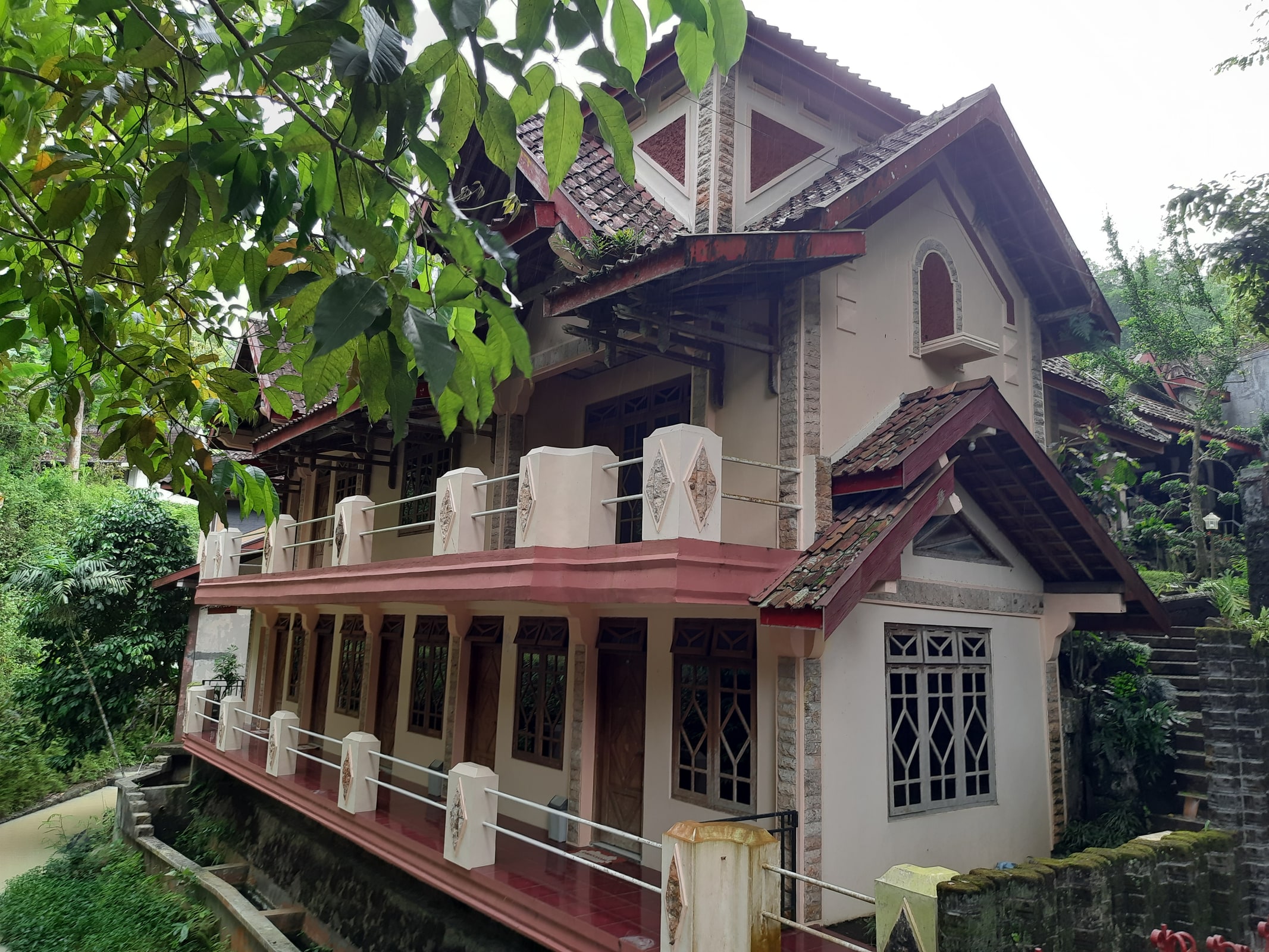
The Marian grotto and wooded pilgrimage setting at Sendangsono in Indonesia.
The Marian grotto and wooded pilgrimage setting at Sendangsono in IndonesiaPhoto by Novalia Herawati dan Erlyndita Setyawardani via Wikimedia Commons · CC BY-SA 4.0

Why pilgrims come

Discover what makes Sendangsono Marian Pilgrimage Complex a place of pilgrimage

A wooded Marian pilgrimage complex tied to the mass baptism of 171 Javanese Catholics in 1904 and developed as a pilgrimage place in 1929, noted for its architecture and Catholic-Javanese encounter.

Walk through a forested shrine where spring water, Javanese design, baptismal memory, and Marian prayer form one of Indonesia’s most distinctive Catholic landscapes.

Catholic contextShrineKalibawang, Indonesia
Research trail1 catalog sourceLast checked Sep 7, 2026
Pilgrim planningConfirm before travelingWorship times and access can change
TraditionCatholic

What to notice

Look closely at the place and its story

01

The 1904 baptismal memory

Understand why Sendangsono became a birthplace of modern Javanese Catholic life.

02

Faith in a Javanese landscape

Notice how architecture and procession paths express inculturation.

Feasts, anniversaries & celebrations

Anniversary of the first mass baptisms at SendangsonoThe government tourism history dates the baptism of 171 local Catholics to December 14, 1904; verify any current anniversary liturgy locally.

How to read this page

Sources, tradition, and what is verified

Source trail1 cited catalog source

The destination record was last checked on 9/7/2026.

Editorial standard

This page records the site’s tradition as “Catholic.” That wording describes the nature of the claim and keeps devotional tradition distinct from independently verified history.