Why pilgrims come
Visit the resting place and legacy of St. Rose Philippine Duchesne
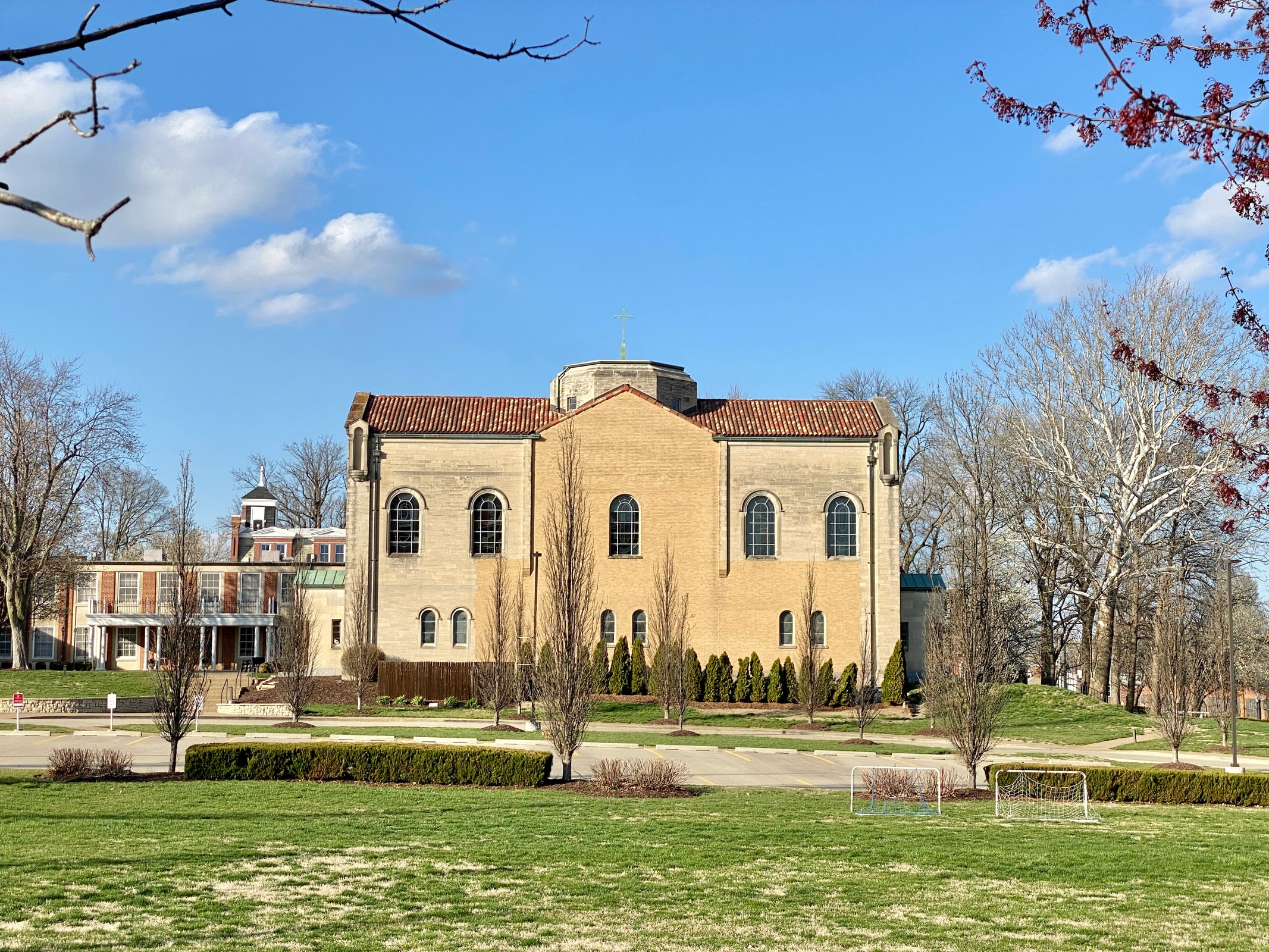
This intimate shrine on the Academy of the Sacred Heart campus preserves the bodily remains of Saint Rose Philippine Duchesne, the French Religious of the Sacred Heart who crossed the Atlantic in 1818 to serve the young Church on the American frontier. Her tomb stands where her missionary longing, educational work, suffering, and contemplative prayer can be encountered together.
Philippine founded schools and religious communities in Missouri and Louisiana under conditions that repeatedly defeated her plans. Late in life she lived among the Potawatomi at Sugar Creek in present-day Kansas. Limited by age and language, she became known as the "Woman Who Prays Always." That title protects her story from a triumphalist telling: her deepest witness was fidelity when visible achievement was small.
After her death in St. Charles in 1852, her remains were first buried in the convent cemetery and later transferred as devotion and her cause developed. In 1951 they were placed in the marble sarcophagus that became the center of the shrine; the shrine’s later form continues to gather pilgrims at her tomb. She was canonized in 1988.
A careful visit should honor both her sanctity and the Indigenous communities within her story. Pray at the sarcophagus, learn the history of the Religious of the Sacred Heart, and resist romanticizing the wider history of mission and settlement. Because the shrine stands within an active school setting, confirm tours, access, and group arrangements with the official shrine.
Pray at the sarcophagus of the Woman Who Prays Always and receive the missionary lesson of faithful presence when plans, strength, and visible results fall away.
The sacred connection
People and objects remembered here
These relationships are part of the destination record, with feast days and catalog qualifications shown where available.
tomb and principal shrine
Feast: November 18Tomb and bodily remains · Ecclesiastically documented
The sarcophagus forms the devotional center of the official shrine.What to notice
Look closely at the place and its story
The marble sarcophagus
Pray at the tomb around which the modern shrine developed.
Woman Who Prays Always
Receive the Potawatomi name that interprets her final missionary witness.
Sacred Heart mission
Trace the schools and communities she helped establish after arriving in 1818.
Faithfulness without control
Let her setbacks and limitations deepen the meaning of missionary perseverance.
Feasts, anniversaries & celebrations
How to read this page
Sources, tradition, and what is verified
The destination record was last checked on 9/27/2026.
This page records the site’s tradition as “Roman Catholic shrine, saint’s tomb, and Sacred Heart mission heritage.” That wording describes the nature of the claim and keeps devotional tradition distinct from independently verified history.