Why pilgrims come
Visit the resting place and legacy of St. Louis-Marie Grignion de Montfort
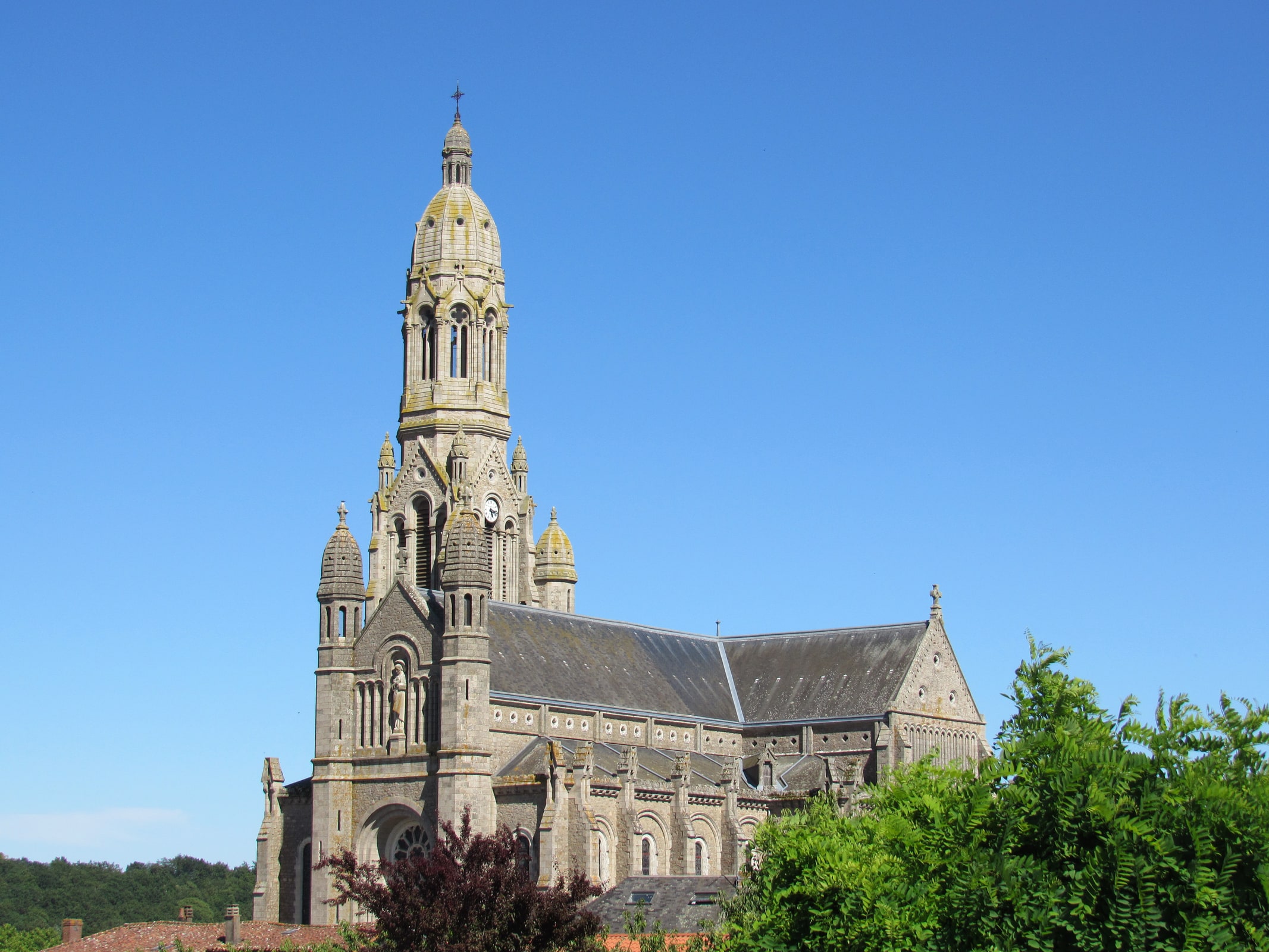
Saint-Laurent-sur-Sèvre is the burial place of St. Louis-Marie Grignion de Montfort and Blessed Marie-Louise Trichet, his collaborator and co-founder of the Daughters of Wisdom. Their tombs stand together beneath a ciborium in the basilica, making the shrine a place where Marian consecration, popular mission, education, and care for the poor meet.
Montfort died here on April 28, 1716 after preaching a mission. His True Devotion to Mary presents consecration to Jesus through Mary as a renewal of baptism rather than a substitute for Christ. His spirituality profoundly influenced Pope St. John Paul II, whose motto Totus Tuus came from Montfort’s formula of self-gift. The pope made a private pilgrimage to this tomb in 1996.
Marie-Louise Trichet continued the works Montfort began, guiding the Daughters of Wisdom through decades of service. Her presence beside him keeps the basilica from becoming the shrine of a solitary religious celebrity. It remembers a family of communities—the Company of Mary, Daughters of Wisdom, and Brothers of St. Gabriel—formed for mission and the poor.
The basilica’s parish and sanctuary publish regular prayer at the tombs, Eucharist, the Rosary, and confession. Times still require confirmation before travel. Pray at both tombs, renew baptismal promises rather than making a vague gesture of enthusiasm, and let the founders’ service to the forgotten test the authenticity of Marian devotion.
Pray at the paired tombs of Montfort and Marie-Louise, then receive Marian consecration as baptismal renewal expressed in mission and service.
The sacred connection
People and objects remembered here
These relationships are part of the destination record, with feast days and catalog qualifications shown where available.
body buried beneath the basilica ciborium
Feast: April 28body buried beside St. Louis de Montfort
Feast: May 7Tombs and bodily remains · Historically and ecclesiastically documented
The sanctuary publishes regular prayer at the tombs; confirm current hours.What to notice
Look closely at the place and its story
Two founders, one mission
Honor Montfort and Marie-Louise together beneath the basilica ciborium.
Totus Tuus at its source
Trace Pope St. John Paul II’s motto to Montfort’s Christ-centered Marian consecration.
Prayer that becomes service
Measure devotion by the missionary family’s work among the poor and neglected.
Feasts, anniversaries & celebrations
How to read this page
Sources, tradition, and what is verified
The destination record was last checked on 9/27/2026.
This page records the site’s tradition as “Roman Catholic basilica, Montfortian family shrine, and founder tombs.” That wording describes the nature of the claim and keeps devotional tradition distinct from independently verified history.