Why pilgrims come
Visit the resting place and legacy of St. Kateri Tekakwitha
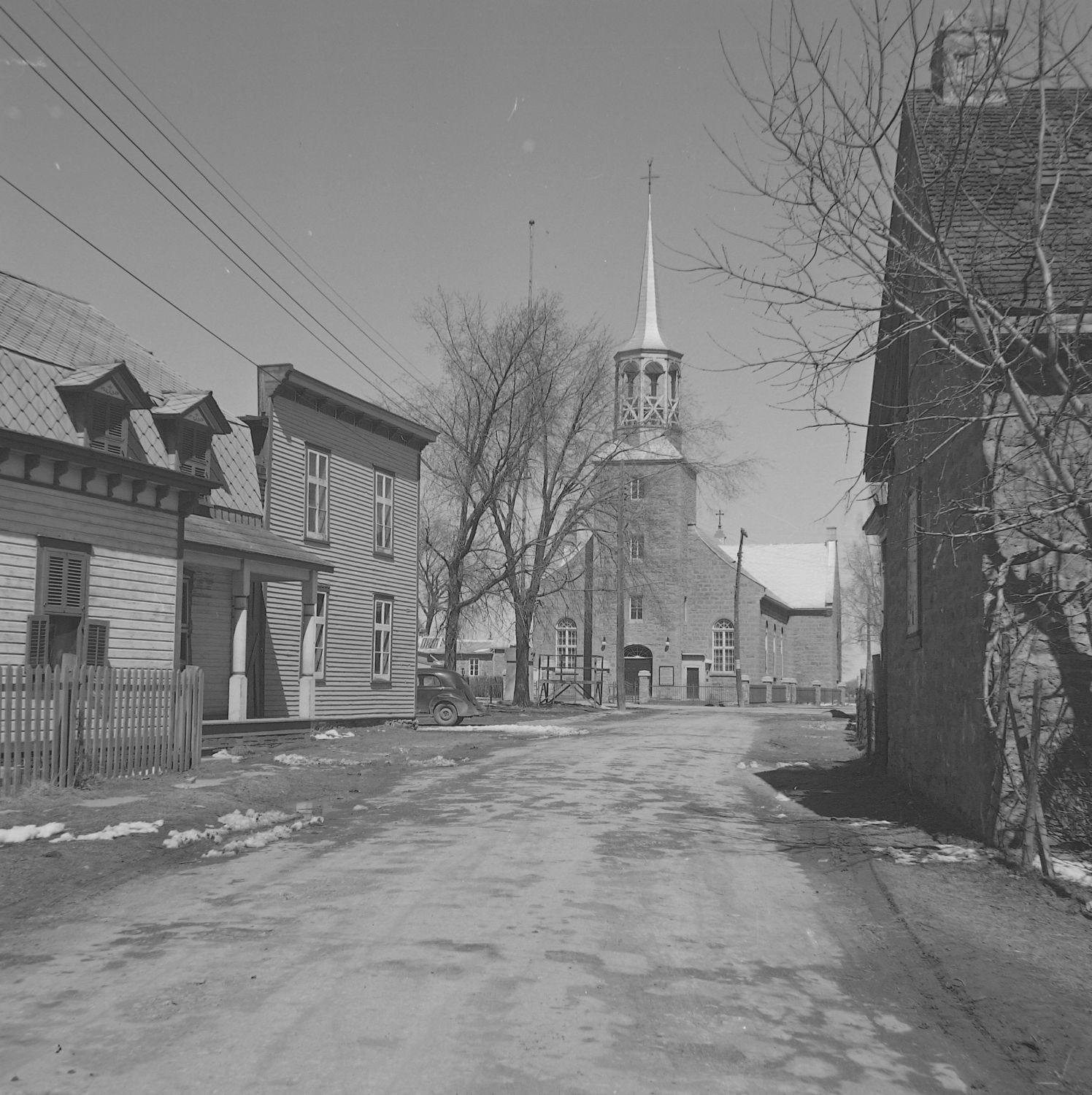
On the Kanien'kehá:ka (Mohawk) territory of Kahnawà:ke, the Saint Francis Xavier Mission preserves the tomb and original portrait of St. Kateri Tekakwitha within a living Indigenous Catholic community. The mission was established here in the early eighteenth century; today's complex includes the 1845 church, an older presbytery, sacristy, museum, and interpretive center. The shrine is not merely a memorial to Kateri but a place where her final years, Mohawk identity, Catholic faith, and continuing veneration are encountered together.
A pilgrimage to Kahnawake reaches the principal resting place of St. Kateri Tekakwitha, the first Indigenous North American woman canonized by the Catholic Church. Her tomb stands inside the historic Saint Francis Xavier Mission, where prayer, Mohawk Catholic tradition and the story of Kateri's final years remain inseparable.
The sacred connection
People and objects remembered here
These relationships are part of the destination record, with feast days and catalog qualifications shown where available.
tomb
Feast: April 17Tomb and bodily remains · Ecclesiastically documented
Inside Saint Francis Xavier Mission; confirm visiting hours before travel.What to notice
Look closely at the place and its story
Tomb of St. Kateri
Pray at the marble tomb that has held St. Kateri's remains in the mission church since 1972.
Original portrait
See the portrait painted by Jesuit Father Claude Chauchetiere soon after Kateri's death.
Mohawk Catholic heritage
Encounter the mission's living Kanien'keha:ka Catholic tradition, including the Mohawk choir at major celebrations.
Interpretive center and museum
Explore the mission's collection of Indigenous, Canadian and European religious and cultural artifacts.
Feasts, anniversaries & celebrations
How to read this page
Sources, tradition, and what is verified
The destination record was last checked on 9/15/2026.
This page records the site’s tradition as “Catholic.” That wording describes the nature of the claim and keeps devotional tradition distinct from independently verified history.
Continue nearby