Why pilgrims come
Discover what makes San Salvatore in Lauro and the Madonna degli Agonizzanti a place of pilgrimage
San Salvatore in Lauro is the principal active destination for pilgrims who currently want to pray before the Madonna Addolorata degli Agonizzanti. In 2026 the image was transferred here from its traditional home at the Church of the Nativity of Jesus on Piazza Pasquino, which the Diocese of Rome reported closed for restoration. The move brought a devotion long kept within a small confraternity church into a larger, regularly open sanctuary with daily prayer, Mass, confession, and a public calendar.
The Madonna Addolorata degli Agonizzanti belongs to Rome's intensely remembered summer of 1796. According to contemporary devotional chronicles and the tradition preserved by the Diocese of Rome, several Marian images in and around the city were reported to move their eyes while the Papal States faced political and military pressure from Revolutionary France. The image associated with the Archconfraternity of the Agonizing was said to begin moving its eyes on 11 July and to continue intermittently until 2 December. The reports drew clergy and ordinary Romans, encouraged prayer, and gave rise to a devotion that endured after the immediate crisis passed.
The language matters. Catholic Tourist records an established Roman devotional tradition, historic testimony, and continuing public veneration; it does not claim that a moving image has been scientifically demonstrated or that every later healing attributed by devotees has received a formal Church judgment. The image is honored as Our Lady of Sorrows, directing prayer toward Mary's compassion at the Passion of Christ. Its ecclesial significance is found in the community that has preserved it, the liturgy of September 15, and the prayer it continues to inspire.
The sanctuary marked the devotion publicly in 2026, the 230th anniversary year. The Diocese of Rome announced a program from September 12 through 23 that joined the triduum and September 15 memorial of Our Lady of Sorrows with the sanctuary’s major devotion to St. Pio of Pietrelcina. The image’s presence here is historically significant, but it should not be described as necessarily permanent. Restoration schedules and custodial decisions can change. Before a dedicated journey, confirm with the sanctuary that the Madonna remains on public view and ask where within the church it is being venerated.
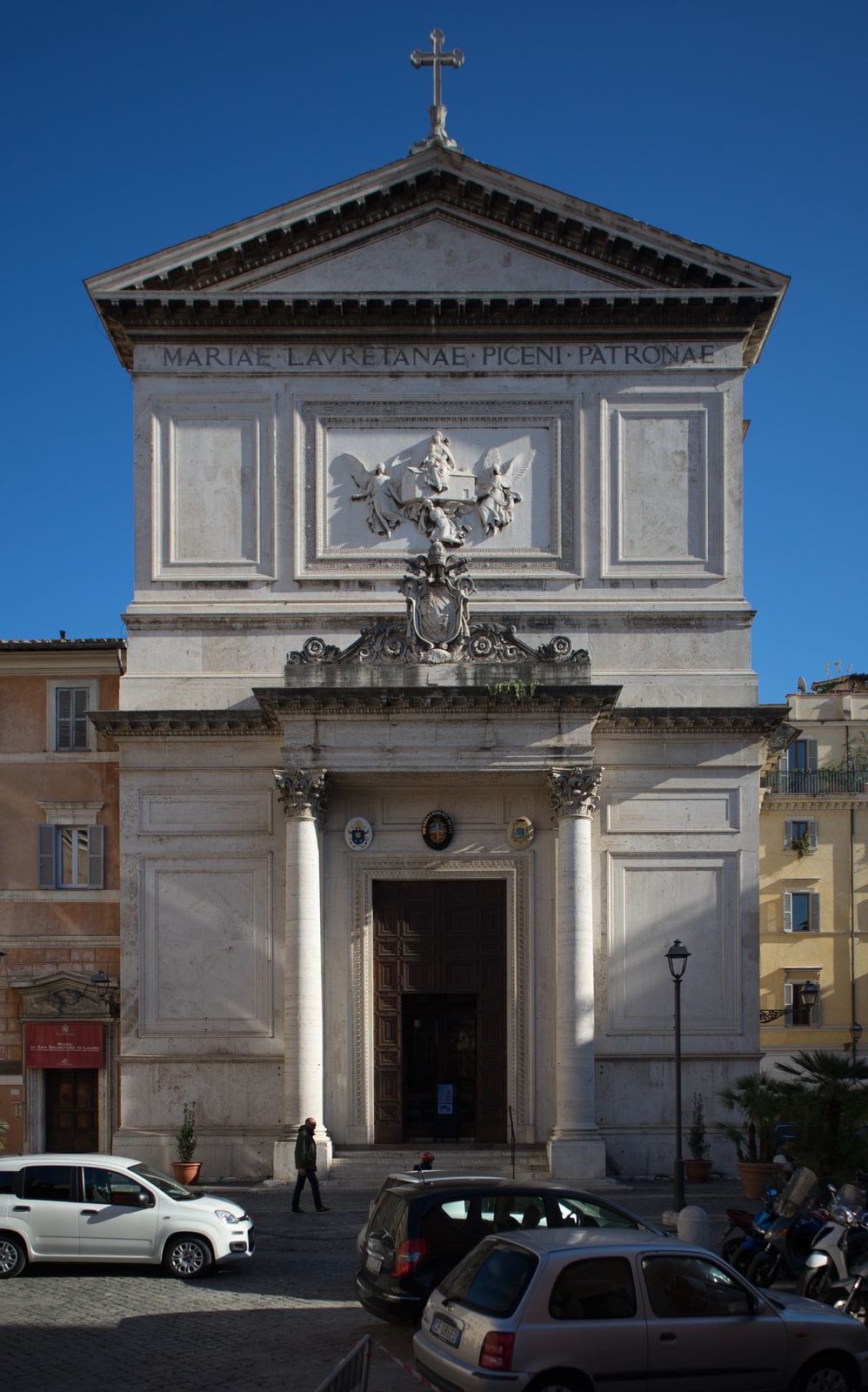
San Salvatore has a much longer identity of its own. A church existed near the Tiber by the medieval period; after fire destroyed a later structure in 1591, the complex was rebuilt beginning in the 1590s. In 1668 it passed to the Pio Sodalizio dei Piceni, which established devotion to Our Lady of Loreto and made the church an important gathering place for Catholics from the Marche region. Today it is also strongly associated with St. Pio. Relics, prayer groups, healing and intercession services, and the September feast draw pilgrims independent of the Madonna degli Agonizzanti.
That convergence makes San Salvatore especially suited to a careful pilgrimage. Begin with the liturgical image of Mary standing at the Cross, not with the extraordinary claim. Pray for people who are dying, grieving, imprisoned, or afraid—the intentions carried by the Agonizzanti. Then recognize the historic testimony surrounding 1796 and the generations who found consolation in it. Finally, place the devotion within the sacramental life of the sanctuary: Mass, Eucharistic adoration, the Rosary, confession, and works of mercy. The image is not meant to end attention on itself; it directs the pilgrim toward Christ and toward the sorrow of neighbors who need accompaniment.
Come first for prayer before the Madonna Addolorata, then receive the sanctuary’s wider life: Our Lady of Loreto, St. Pio relics and prayer groups, Eucharistic adoration, confession, and Mass. Confirm that the transferred image is still present before making it the sole purpose of a trip.
The sacred connection
People and objects remembered here
These relationships are part of the destination record, with feast days and catalog qualifications shown where available.
major sanctuary devotion and relic veneration
Feast: September 23Saint relics · Ecclesiastically preserved and publicly venerated at the sanctuary
Confirm current display and feast arrangements with the sanctuary.What to notice
Look closely at the place and its story
Madonna degli Agonizzanti
Pray before the image transferred from Piazza Pasquino and learn the carefully bounded story of the 1796 reports.
Our Lady of Sorrows
Place the extraordinary tradition inside the Church’s ordinary September 15 meditation on Mary at the Cross.
Prayer for the suffering
Carry forward the Agonizzanti mission by interceding for the dying, condemned, grieving, and afraid.
St. Pio relics and prayer
Encounter the sanctuary’s established Padre Pio devotion, relic veneration, and September feast.
Our Lady of Loreto
Recognize the church’s centuries-old relationship with the Piceni community and its devotion to the Madonna of Loreto.
Feasts, anniversaries & celebrations
How to read this page
Sources, tradition, and what is verified
The destination record was last checked on 9/20/2026.
This page records the site’s tradition as “Roman Catholic; Marian shrine, Loreto devotion, and St. Pio pilgrimage.” That wording describes the nature of the claim and keeps devotional tradition distinct from independently verified history.
Continue nearby