Why pilgrims come
Discover what makes San José Church a place of pilgrimage
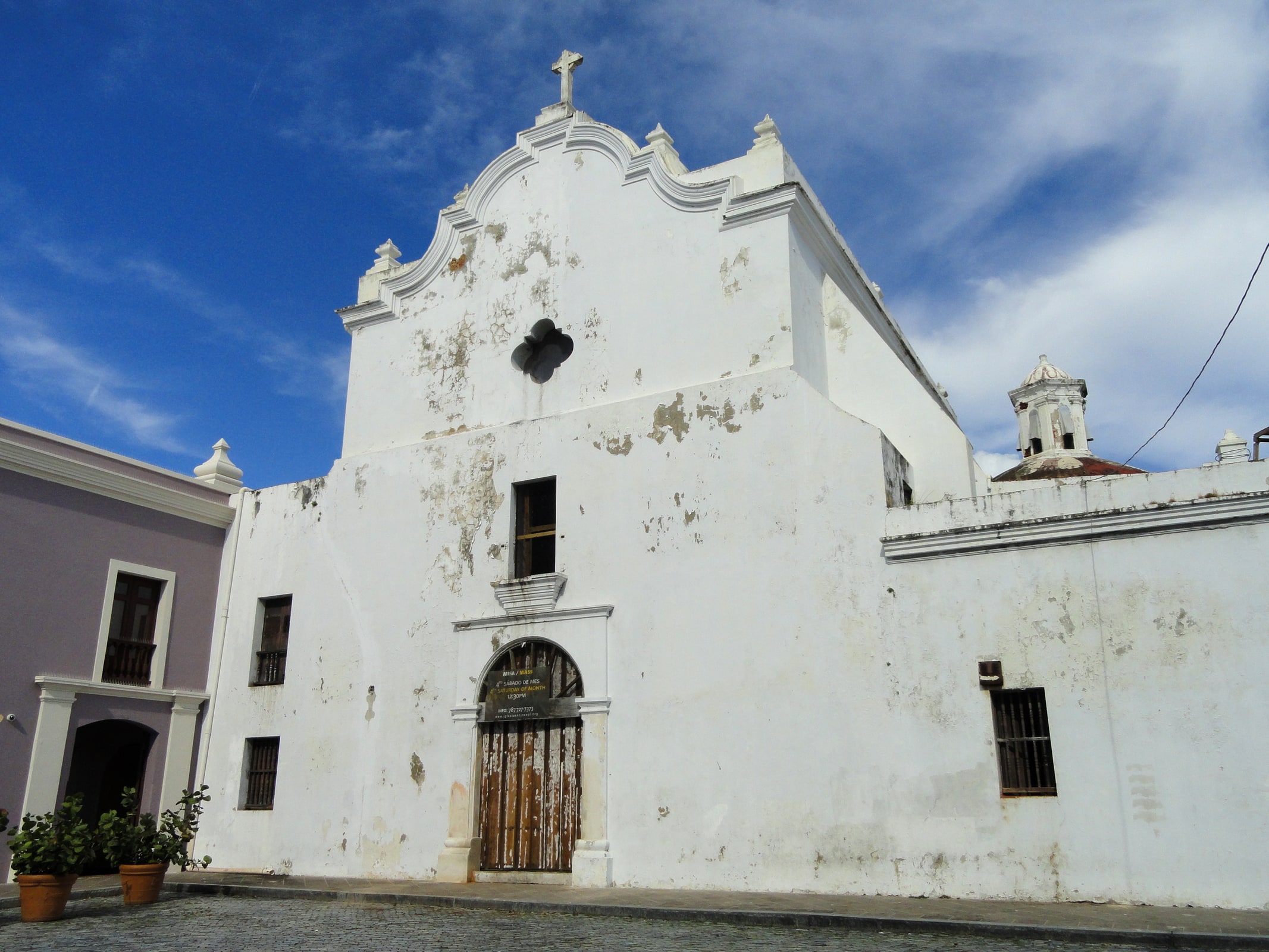
San José Church stands a short walk from San Juan’s cathedral, but it tells a different chapter of the city’s Catholic history. Construction began in 1532 for the Dominican friars, and the church was originally known as the conventual church of Santo Domingo. Its ribbed vaulting, stone chapels, and restrained mass preserve one of the earliest surviving examples of Spanish Gothic architecture in the Americas.
The church is frequently confused with the cathedral because both are ancient and both are associated with Juan Ponce de León. The distinction is simple: Ponce de León was buried at San José for roughly 350 years, but his remains were transferred to the Cathedral Basilica of San Juan Bautista in 1908. San José is therefore his former burial place, not his current tomb. That movement connects the two churches and gives a pilgrim reason to visit them as one historical route.
San José also preserves the burial memory of José Campeche, Puerto Rico’s leading painter of the late eighteenth and early nineteenth centuries. Campeche’s religious paintings helped give visual form to Puerto Rican Catholic devotion. His association with the church turns the visit from a narrow colonial biography into a broader encounter with sacred art, local identity, and the lay vocation of an artist.
Centuries of storms, earthquakes, water intrusion, and alterations left the building fragile. A long conservation campaign studied and stabilized its fabric, restored chapels and finishes, and returned the church to public life in 2021. The restored interior does not erase age; it helps visitors see how much skilled work is required to keep a tropical sixteenth-century church standing.
The Dominican origin remains essential. This was not built as a civic museum but as a conventual place of preaching, sacramental life, burial, and prayer. Notice the relationship among nave, chapels, sanctuary, tombs, and the former convent setting. The architecture is spare compared with later Baroque churches, yet that restraint makes its scale and early construction especially powerful.
Today San José belongs to the Catholic sacred landscape of Old San Juan and is associated with the cathedral community. Public access, liturgies, concerts, guided visits, and conservation needs can change. Do not rely on an old tourism listing as if it were a parish timetable. Check current information with the Cathedral Basilica of San Juan Bautista before making a special trip.
Pair San José with the cathedral rather than choosing between them. Begin here to understand the Dominican foundation and Ponce de León’s earlier burial; then walk to the cathedral for his present tomb, the shrine of Our Lady of Divine Providence, and the living metropolitan Church.
Enter one of the oldest surviving Spanish Gothic churches in the Americas and connect its Dominican heritage and Ponce de León’s former burial with the nearby cathedral.
The sacred connection
People and objects remembered here
These relationships are part of the destination record, with feast days and catalog qualifications shown where available.
documented historical burial; remains transferred
What to notice
Look closely at the place and its story
The Dominican foundation
Read the church as the conventual Santo Domingo of 1532 and a preaching-order presence in early San Juan.
Spanish Gothic in the Caribbean
Study the vaults and chapels that make this one of the hemisphere’s rare early Gothic survivals.
Ponce de León’s former burial
Keep the timeline clear: buried here for centuries, transferred to the cathedral in 1908.
José Campeche
Remember Puerto Rico’s great religious painter and the role of sacred art in the island’s Catholic life.
Conservation as stewardship
Notice the visible evidence of a long restoration that returned this fragile church to public life.
How to read this page
Sources, tradition, and what is verified
The destination record was last checked on 10/5/2026.
This page records the site’s tradition as “Roman Catholic — Dominican foundation; associated with the Archdiocese of San Juan.” That wording describes the nature of the claim and keeps devotional tradition distinct from independently verified history.
Continue nearby