Why pilgrims come
Enter a place shaped by prayer, community, and pilgrimage
Badia a Passignano rises among vineyards and cypresses in the heart of Chianti, but it is more than a beautiful Tuscan enclosure. It is a living monastery of the Vallombrosian Congregation and the place where St. John Gualbert, founder of that reforming Benedictine family, spent his final days, died on July 12, 1073, and is still venerated.
The community's origins reach to the centuries before the year 1000. The abbey's own history preserves 890 as a traditional foundation date and records that Passignano became one of the early centers of the Vallombrosian reform. John Gualbert's movement joined Benedictine prayer and work to a determined campaign against simony and abuses within the Church. His death and burial here gave Passignano lasting importance within the congregation.
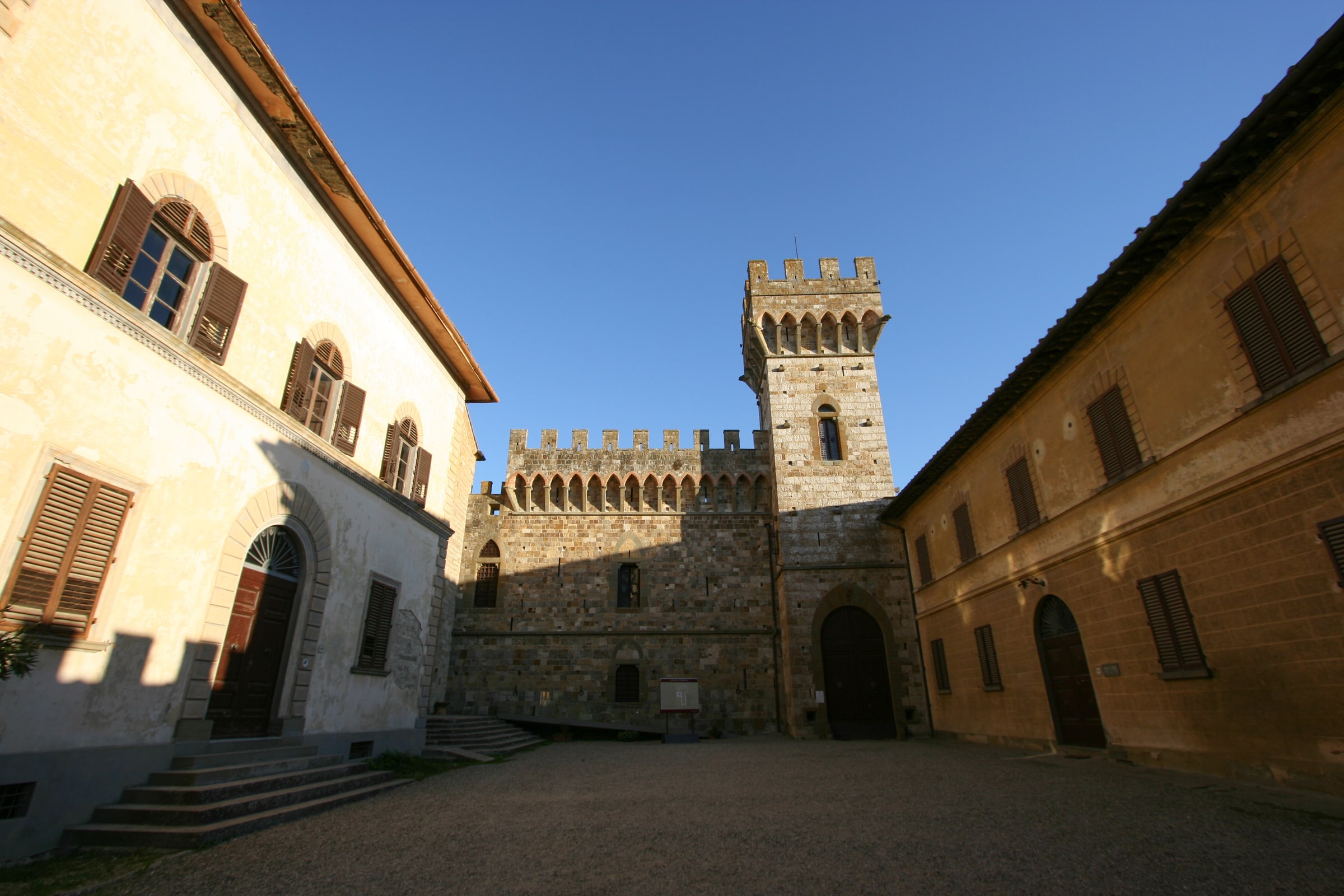
The fortified walls and corner towers make the complex look almost like a castle. Much of that appearance reflects repeated rebuilding and nineteenth-century alterations, but the monastery still preserves a chapter house, cloister, historic kitchen, church, and refectory. In the church, the chapel of St. John Gualbert contains his tomb and paintings by Alessandro Allori illustrating his life and the recognition of his relics.
The artistic high point is Domenico Ghirlandaio's Last Supper in the refectory. It was painted while the young artist was still developing the visual language he would later use in Florence. The fresco should not distract from the room's original purpose: monks heard Scripture and sacred reading while eating together. Art, silence, community, and the Eucharistic imagination belong together here.
The monastery was suppressed in 1866 and passed into private hands, but Vallombrosian monks returned in 1986. Visitors therefore enter an active religious house, not an abandoned monument. Guided access can include the church, chapter room, cloister, refectory, kitchen, and garden, but it must follow the community's current arrangements. The official abbey asks visitors to reserve and await confirmation; published notices and group requirements can change.
For pilgrims, the right order is prayer before tourism. Begin at St. John Gualbert's tomb, remember his conversion from vengeance to forgiveness, and ask how reform of the Church begins with reform of one's own heart. Then receive the monastery's art and landscape as the fruit of a life ordered toward God rather than as a decorative stop on a wine itinerary.
Reserve before going, then make the saint’s tomb the spiritual center of the visit. The cloister, Ghirlandaio refectory, chapter room, historic kitchen, and Chianti landscape deepen the encounter with a living Vallombrosian monastery.
The sacred connection
People and objects remembered here
These relationships are part of the destination record, with feast days and catalog qualifications shown where available.
died here; tomb and relic veneration
Feast: July 12Bodily relics · Ecclesiastically preserved and publicly venerated
Church and monastery access follow the abbey’s current guided-visit and liturgical arrangements.What to notice
Look closely at the place and its story
Tomb of St. John Gualbert
Pray where the founder of the Vallombrosian family died and is venerated.
Ghirlandaio’s Last Supper
See the refectory fresco within the room for which it was painted.
A living Vallombrosian monastery
Understand the abbey through the continuing Benedictine pattern of prayer, work, study, and hospitality.
Fortified Chianti enclosure
Read the towers, cloister, church, and later restorations as layers of a community repeatedly disrupted and renewed.
Feasts, anniversaries & celebrations
How to read this page
Sources, tradition, and what is verified
The destination record was last checked on 9/22/2026.
This page records the site’s tradition as “Roman Catholic; Vallombrosian Benedictine.” That wording describes the nature of the claim and keeps devotional tradition distinct from independently verified history.
Continue nearby