Why pilgrims come
Visit the resting place and legacy of St. Gemma Galgani
Just outside Lucca's historic walls, the sanctuary of St. Gemma Galgani gathers the life of a modern Catholic mystic around her tomb. Gemma was born in 1878 at Camigliano, but her family moved to Lucca while she was still an infant. The city became the landscape of her childhood, sacraments, suffering, friendships, mystical experiences, and death.
Gemma lost her mother young, suffered illness and financial insecurity, and longed for religious life without ever entering the cloister she desired. She was educated for a time by the Sisters associated with Blessed Elena Guerra and later came under Passionist spiritual direction. In 1899 she reported receiving the stigmata; other extraordinary experiences were preserved in her correspondence and in testimony from the Giannini family who sheltered her.
The Church's judgment rests not on fascination with phenomena but on the heroic Christian life it discerned beneath them: intense love of the Passion, obedience, humility, prayer for sinners, endurance of illness, and surrender to God's will. Gemma died on Holy Saturday, April 11, 1903, at only twenty-five. Pope Pius XI beatified her in 1933, and Pope Pius XII canonized her in 1940.
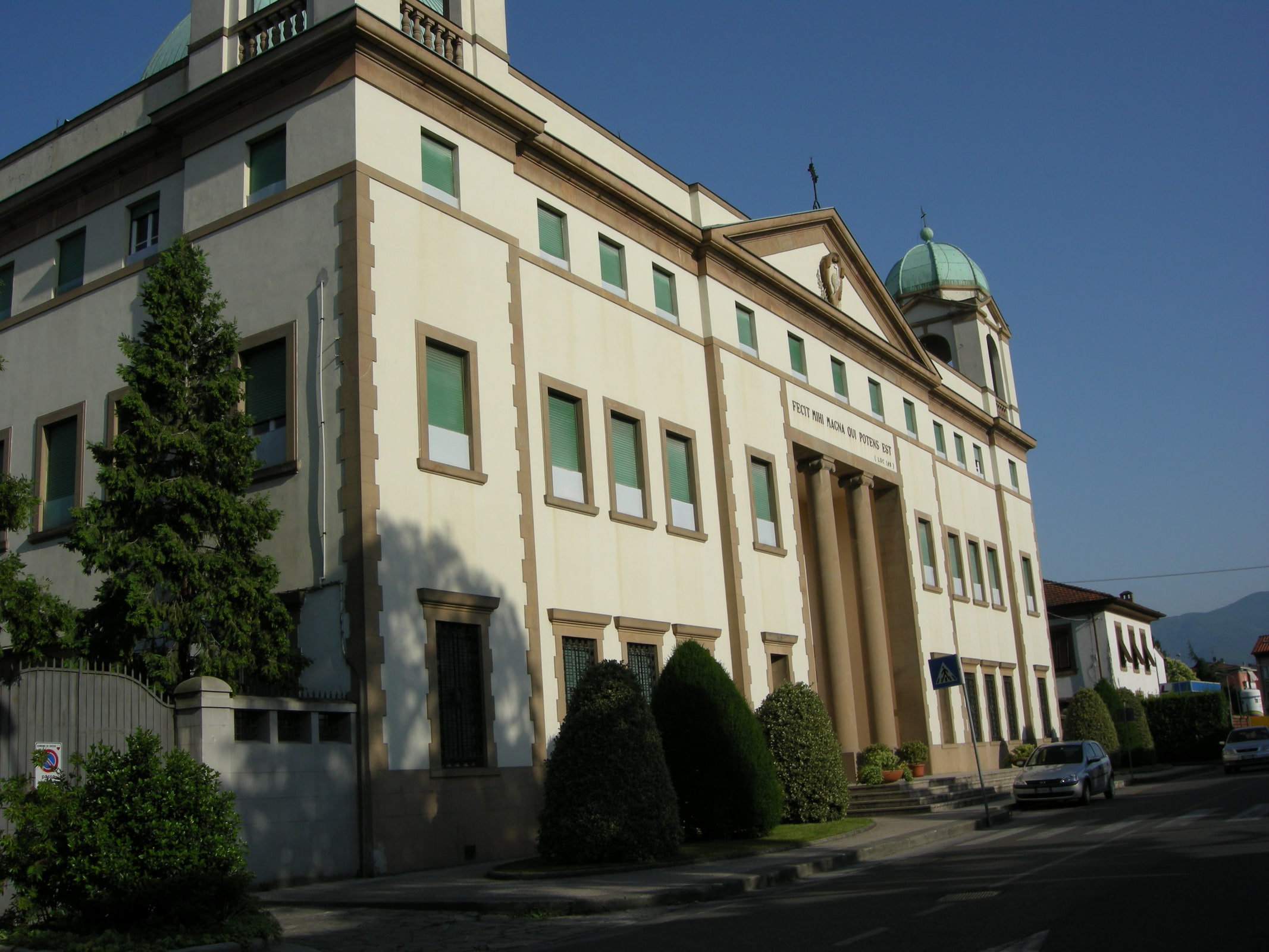
Her mortal remains now rest in the sanctuary attached to the monastery of cloistered Passionist nuns. The church was conceived as the place where the religious community Gemma had longed to join would keep prayer near her tomb. Its architecture is therefore secondary to the relationship between saint, Passionist charism, and continuing contemplative life.
Lucca preserves other places connected with Gemma, especially Casa Giannini and churches associated with her sacraments. But the sanctuary is the essential destination because it places biography, relic veneration, liturgy, and a living community together. Visitors should respect the nuns’ enclosure and never assume access to monastic spaces beyond those publicly opened.
Gemma can be misunderstood if reduced either to sensational accounts of the stigmata or to a remote figure of private suffering. Her shrine is better approached through the crucified Christ: ask for compassion toward the suffering, fidelity when one's plans are denied, and the courage to let love rather than curiosity interpret extraordinary claims.
Pray at Gemma’s tomb through the lens of Christ’s Passion, then use the diocesan biography to connect the shrine with the homes, schools, and churches of her life in Lucca.
The sacred connection
People and objects remembered here
These relationships are part of the destination record, with feast days and catalog qualifications shown where available.
principal shrine and bodily remains
Feast: May 16Bodily relics · Ecclesiastically preserved and publicly venerated
Public access follows the sanctuary’s liturgical schedule; the attached monastery remains cloistered.What to notice
Look closely at the place and its story
Tomb of St. Gemma
Pray at the center of modern devotion to Lucca’s young Passionist mystic.
Passionist spirituality
Interpret Gemma’s life through compassionate attention to Christ crucified rather than through curiosity about phenomena.
A living cloister beside the shrine
Recognize that the public sanctuary stands beside a continuing community of contemplative women.
Gemma’s Lucca
Use the sanctuary as the anchor for other documented places from her sacramental and family life.
Feasts, anniversaries & celebrations
How to read this page
Sources, tradition, and what is verified
The destination record was last checked on 9/22/2026.
This page records the site’s tradition as “Roman Catholic; Passionist sanctuary and monastery.” That wording describes the nature of the claim and keeps devotional tradition distinct from independently verified history.
Continue nearby